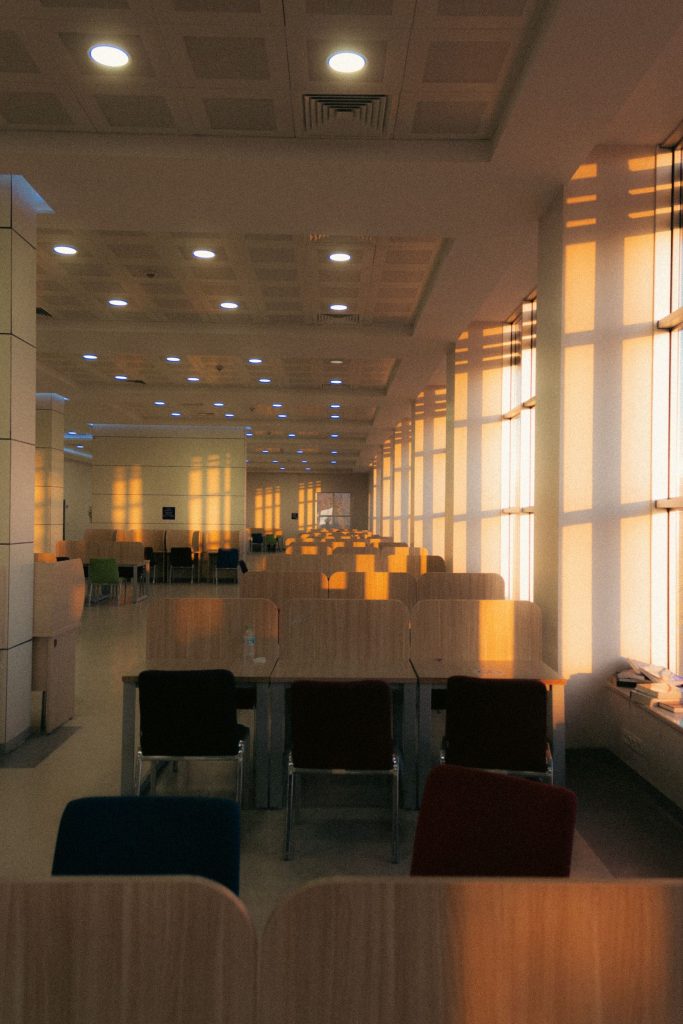
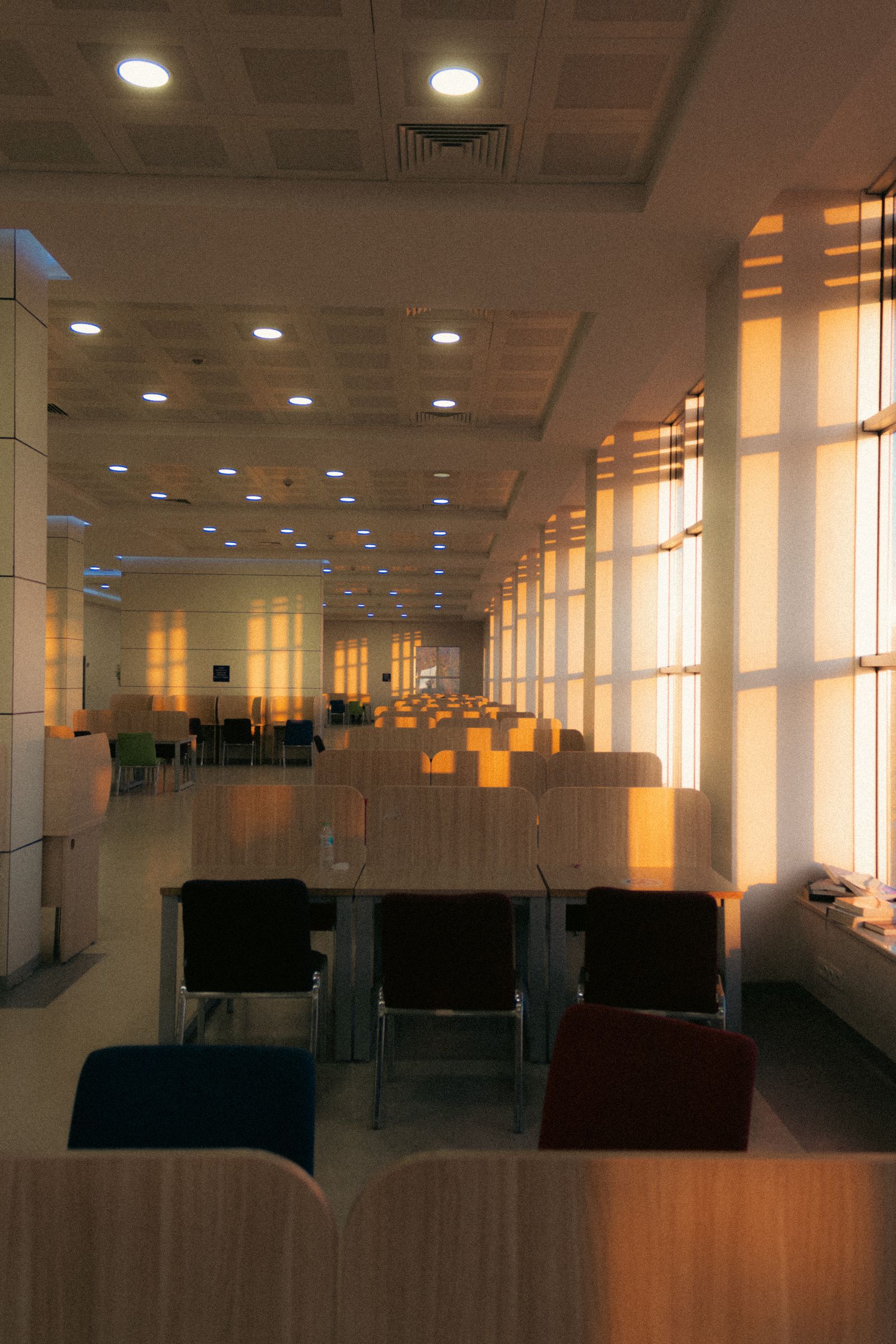
Offering a quiet room can help guests step away from an intense event environment, but the label alone does not explain what the space provides. A spare office full of deliveries is not made suitable simply by putting a sign on its door. Decide how the room will be used, how people find it and how its calm character will be maintained. The arrangement should offer a practical choice without asking guests to justify personal circumstances publicly or treating a break from the programme as an exceptional problem.
Define the room in ordinary language
Describe the intended use: a place to sit quietly and take a break from the event's activity. Explain the practical features that are actually available, such as seating, the light setting and any relevant access details. Avoid broad claims that the space will meet every sensory or medical need. Specific information lets participants decide what is useful to them, while an absolute promise creates expectations the organiser may be unable to understand or deliver.
Distinguish this room from first aid, a private meeting space or a staff rest area. Those functions may be important but can conflict with a consistently quiet environment. Ask the venue and appropriate specialists about the wider support arrangements. Someone who needs medical help should have a clear route to that service rather than being directed to an unstaffed room because it happens to be nearby and empty.
Choose a location for the actual event
Visit while considering sound from adjacent rooms, catering routes and public announcements. A room beside a noisy service door may be unsuitable even if it looks restful during a quiet inspection. Check the route from the main activity and the facilities a guest might need nearby. Confirm that the room remains available throughout the advertised period, including breaks when other event spaces become busy.
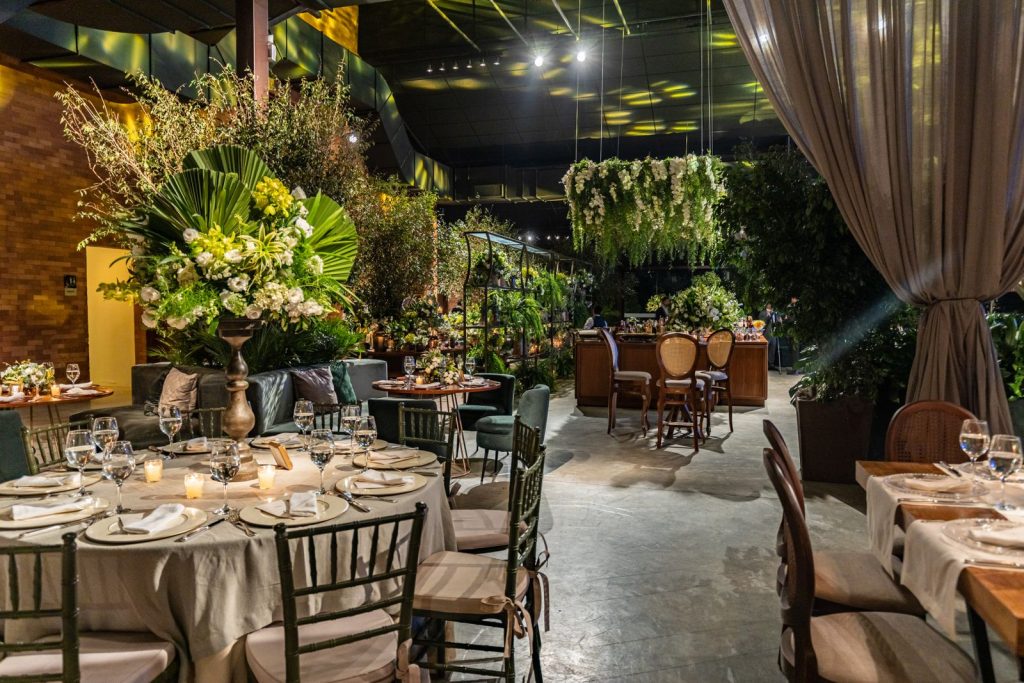
Inspect access and furniture with the venue. Provide a layout that leaves appropriate routes and does not force people into close contact. Ask what adjustments are possible without creating another barrier. Avoid turning the room into a display of specialised equipment without clear purpose or supervision. Simple, thoughtfully chosen arrangements can be useful when their function is explained and the room is not continually repurposed during the event.
Make it easy to find without demanding disclosure
Include the room in the joining information and programme using a descriptive name. Explain whether people may enter freely or should contact a member of the team. The process should not require guests to announce a diagnosis at registration or obtain permission in front of others. Ask about practical participation requirements through the normal event access process, and share any necessary arrangements only with those responsible for providing them.
Brief the welcome team so everyone gives the same directions and description. A room is less useful if one person calls it a lounge, another sends guests to a storage office and a third says it is reserved for speakers. Put the current location and availability in the staff information. Changes should reach both the public-facing material and the team answering questions, rather than remaining in a private message between organisers.
Protect the room from competing uses
Decide where deliveries, spare furniture and staff belongings will go instead. Empty space tends to attract operational clutter when an event becomes busy. A clear owner should check that the room remains in its intended state and address problems promptly. That person does not need to monitor guests' personal activity, but should be able to resolve an unexpected meeting, a noisy conversation or an obstructed route.
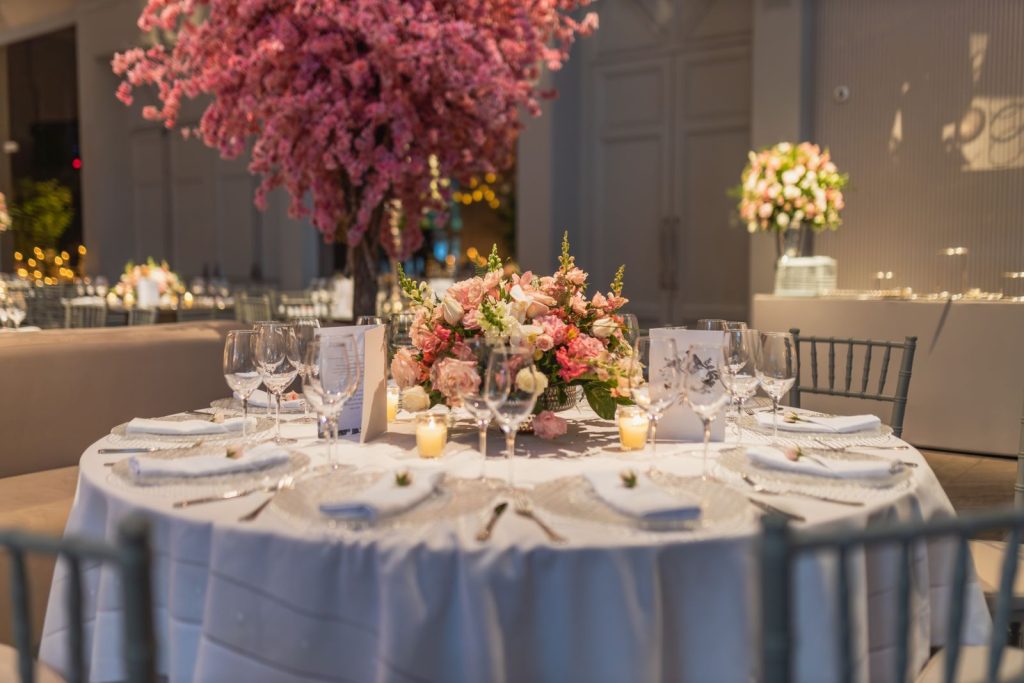
Set simple expectations about calls, conversations and devices. Communicate them politely at the entrance and in the staff brief. The room should not depend on one guest feeling responsible for confronting another. Ask how the venue manages conflicts or concerns and make sure a contact is available. A quiet environment requires an operational agreement, not merely a request that visitors behave considerately while organisers use it for unrelated tasks.
Connect the room to the programme respectfully
Let participants know how to rejoin the event and where updated programme information is available. Someone taking a break may miss an announcement about a room change. Provide a way to recover essential information without bringing loud broadcasts into the quiet space. A simple current programme outside the door or a clear contact route may be enough, depending on the event's scale and communication arrangements.
Avoid treating time spent in the room as evidence of disengagement. People can participate meaningfully while using the programme differently. If an activity involves decisions or group assignments, explain how a guest can return or receive the relevant record. This is particularly important where attendance has a working purpose. The room should support continued participation, rather than becoming a place from which people lose access to the substance of the event.
Evaluate the provision without collecting private stories
Ask whether the space was findable, available and reasonably consistent with its description. These questions identify operational improvements without requiring personal explanations of why someone used it. Provide a private feedback route and avoid photographing occupants for publicity. The usefulness of the room should not depend on guests supplying an attractive story or demonstrating a particular need to justify the organiser's decision to provide it.
Use the feedback to improve the next brief: a better location, clearer instructions or stronger protection from storage use. W3C's accessible-event guidance can help frame the wider planning, while specific arrangements should be shaped with the people and venue involved. A well-run quiet room is a modest but meaningful part of hospitality: it offers a clear, respectful option and remains dependable throughout the event, even when the rest of the building is busy.