

Guests arriving with phones and laptops often look for the nearest visible socket. At a busy event, that can lead to cables across routes, crowded corners and equipment connected where staff did not expect it. An organiser can offer a more usable arrangement by discussing demand and location with the venue's competent technical team. The aim is not to design an electrical installation from general advice. It is to establish an approved service, explain its limits and keep the charging process from interfering with the rest of the event.
Describe the devices and the activity
Tell the venue whether guests need to top up a phone during a break or use laptops continuously during a workshop. The amount and timing of demand differ. Include any equipment the organiser or suppliers intend to connect, so guest charging is not considered separately from presentation, catering or other loads. Ask the responsible technical team to assess the arrangement and identify what it can safely support in the actual room.
Do not treat the presence of an unused socket as confirmation of available capacity or suitability. Its circuit, condition and intended use require the appropriate assessment. HSE's event electrical-safety guidance is useful background on planning and competent management, while local requirements and the venue's own arrangements govern the actual work. Organisers should collect requirements and obtain approved provision, not calculate an improvised solution from a list of devices and a general online example.
Choose between attended and self-managed charging
A self-managed point lets guests retain responsibility for their devices, while a custody service introduces separate requirements for identification, storage and return. Decide which offer is actually intended. A table with several sockets should not quietly become a place where staff accept valuable equipment without a claim process. Explain whether guests remain with the device and what assistance the team provides. The service description should match the practical responsibility taken.
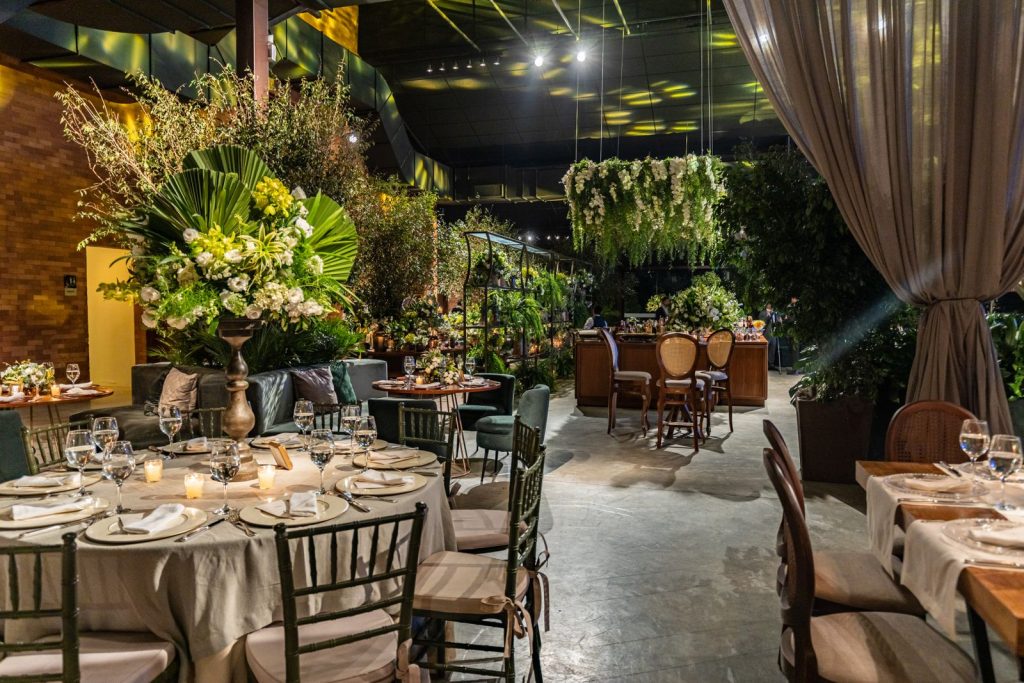
If an attended service is offered, design the handover with management. Record only the details necessary to connect an item to its claim, keep devices in a suitable controlled location and agree a procedure for disputes or missing tokens. Do not access the device's content to identify its owner. A charging service should not become an informal opportunity to handle personal accounts, messages or private files when a guest has merely asked for help with a battery.
Place charging where people can stop
Choose a position where someone using a device does not block a door, queue or required route. Ask the venue to approve furniture and cable management after the final layout is known. A point that appears convenient on an empty floor plan may become obstructed when chairs are occupied and guests gather to talk. Consider how someone with different reach or mobility requirements can use the arrangement or request suitable assistance.
Keep liquids and other service activities appropriately separated according to the venue's assessment. A charging table added to the edge of a coffee station can create a combined problem that neither team originally planned. Use approved equipment and routing; do not hide an improvised cable under a loose rug to make it look tidier. The correct response to an awkward location is a revised arrangement, not decoration that conceals a technical or movement concern.
Give staff a clear response to unsuitable equipment
Ask the venue how damaged leads, unfamiliar adapters or devices showing signs of a problem should be handled. Staff should know whom to contact and when to stop use. Avoid instructing volunteers to inspect or repair equipment beyond their competence. A polite refusal or referral can be part of the service. The team does not need to promise that every device brought by every guest can be accommodated using whatever connection happens to be available.
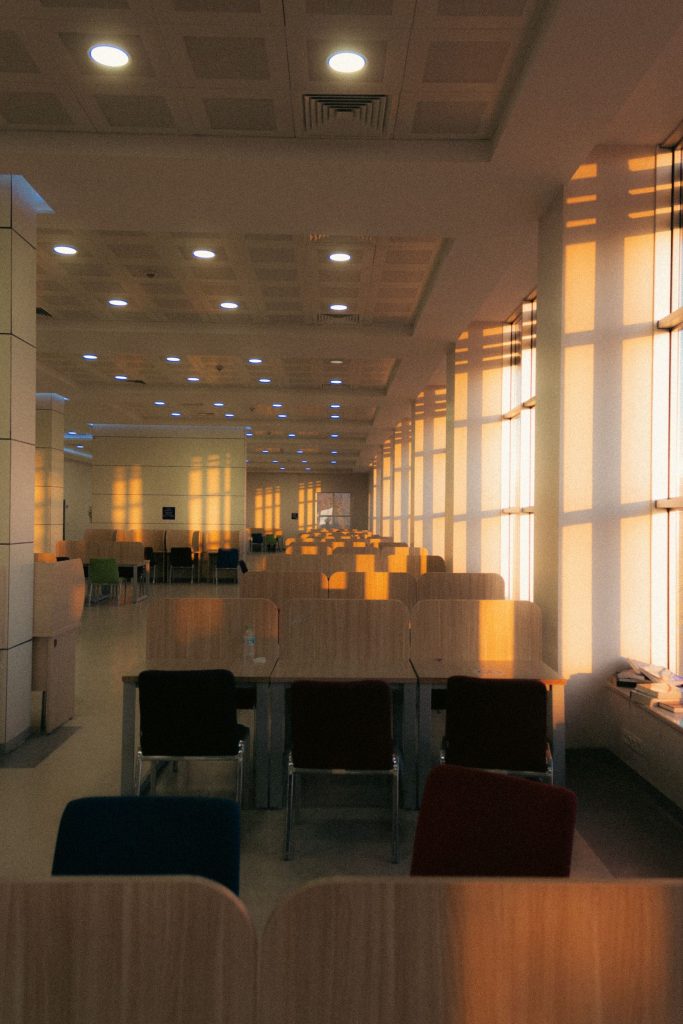
Where the venue supplies chargers or adapters, keep them identifiable and follow its maintenance and use process. A collection of unlabelled items accumulated from previous events is not a dependable inventory. Record which equipment is issued and returned if it is lent out. This protects availability for later guests and avoids the common confusion in which a staff member cannot tell whether the cable on the table belongs to the venue or to someone who has stepped away.
Communicate practical limits before demand peaks
Tell participants whether charging is available and what they should bring. If the workshop depends on a charged laptop, include that requirement in the joining information rather than assuming a limited charging point can support every device from empty. Explain the location and operating hours in ordinary language. A realistic description helps guests prepare and prevents reception from having to invent a solution for a requirement that was never communicated.
Provide an alternative support route if the planned point becomes unavailable. The welcome team should know who can assess the issue and what can be promised in the meantime. Do not redirect guests to random sockets in service areas or behind presentation equipment. A temporary interruption is preferable to expanding the service into spaces the venue has not approved. Consistency matters most when several guests are asking for help simultaneously and staff feel pressure to provide an immediate answer.
Inspect the service during use and at closure
Assign responsibility for checking that the area remains orderly and that guests follow the intended arrangement. Report damage, spills or overheating concerns through the venue's procedure promptly. A pre-event check cannot account for every change created by a busy room. The person monitoring the public area need not be an electrical specialist, but must understand the limits of their role and the route to the competent team when a concern appears.
At the end, recover venue equipment, handle any unclaimed devices through the agreed property process and ask the responsible team to remove temporary provision. Record the practical lessons: insufficient seating, unclear instructions or more continuous laptop use than expected. The next event can then begin with a better requirement. A well-planned charging offer is valuable because it is clear and dependable, not because it makes every visible power outlet available for unrestricted public use.