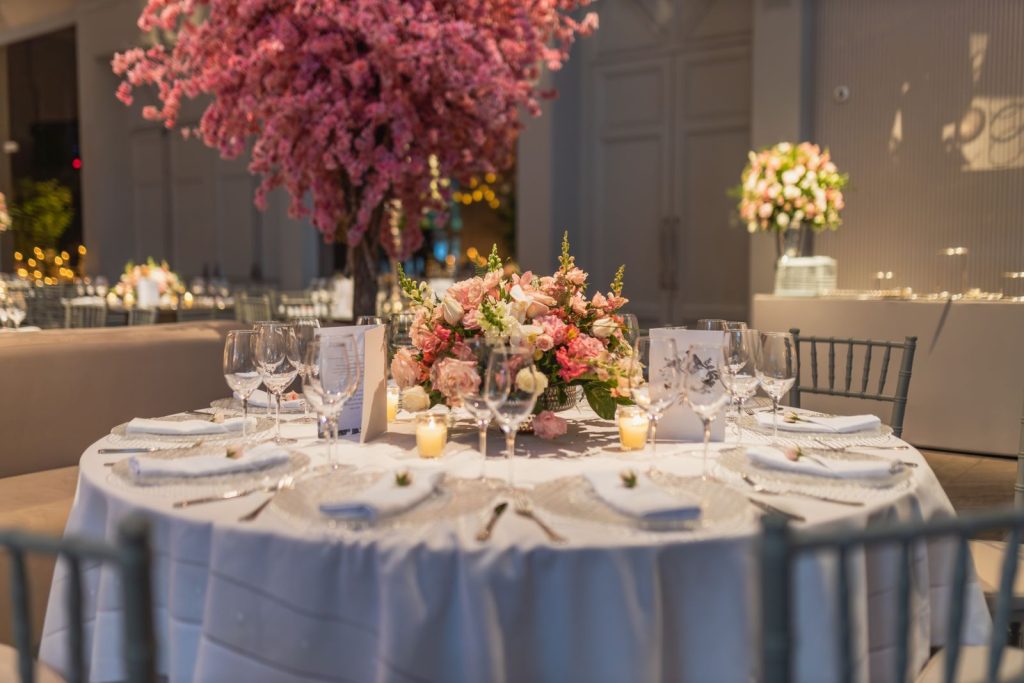
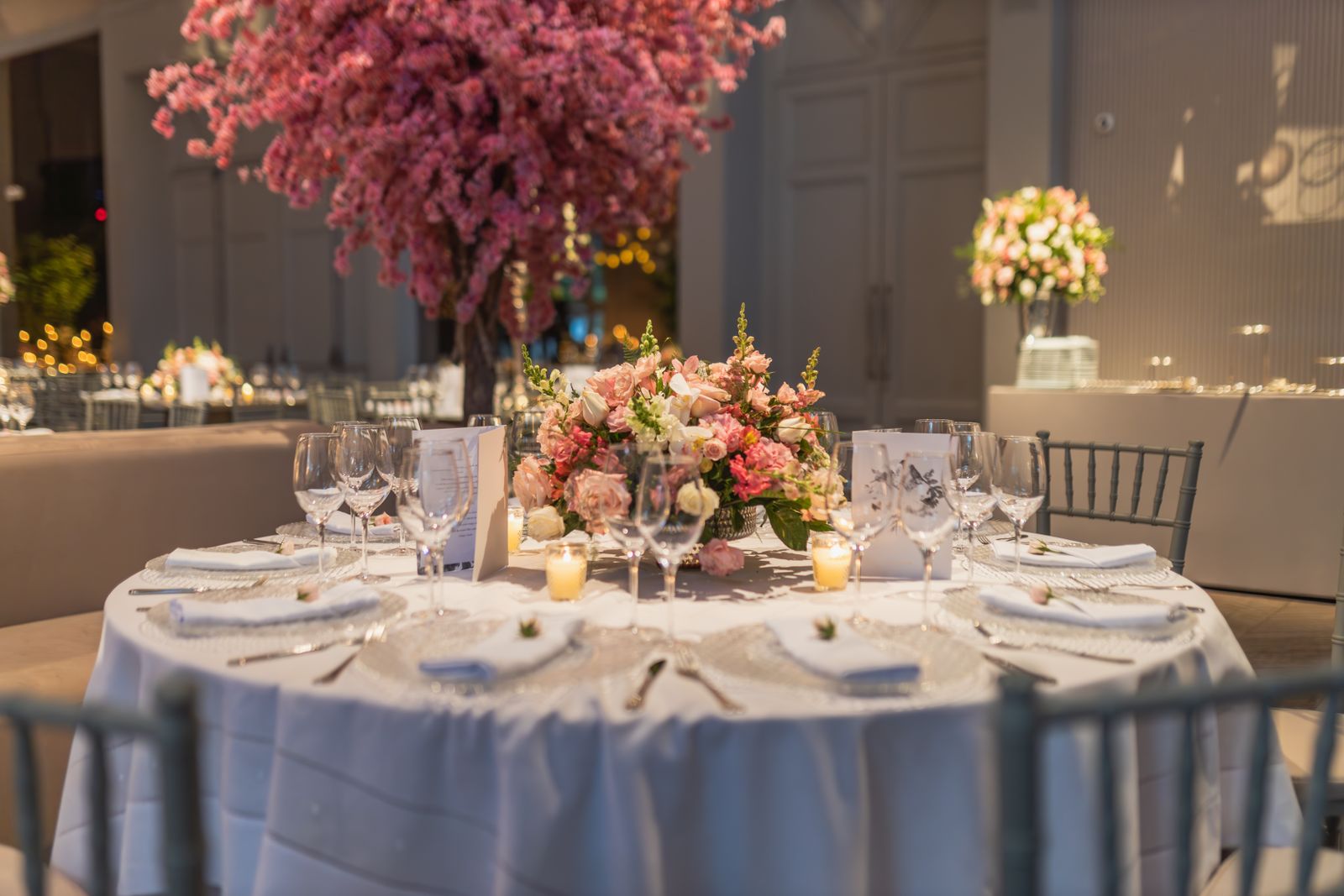
Choosing between buffet and plated service is a decision about the whole event, not just the menu. The format affects movement, conversation, staffing and the time available for a programme. Compare how each option will work in your actual room with your expected guests. A well-planned simple meal is usually more welcoming than an ambitious service format that creates queues or confusion.
Begin with the purpose of the meal
Consider whether the meal is the main social activity, a short break or part of a formal programme. A buffet can give guests freedom to choose and move, while plated service keeps people at their tables and allows a more structured sequence. Neither format automatically creates better conversation. The seating plan, service pace and available space are equally important.
Write down how long guests genuinely have to eat. A programme may allow forty minutes on paper, but introductions, walking to another room and returning to seats consume part of that period. Ask the caterer to describe service from the first guest to the last. The relevant question is not when food is ready, but when everyone can comfortably finish.
Map the buffet as a movement system
A buffet needs more than a table against a wall. Plan where people collect plates, choose food, find cutlery and return to their seats. Drinks can create a second queue, especially if they share the same narrow route. Discuss separate service points or a sensible calling order if the attendance makes one line impractical.

Ask how replenishment and clearing will happen while guests are moving. Staff should not have to carry hot dishes through a congested entrance. Consider guests who cannot comfortably stand in a queue or carry a plate. A discreet assistance option or alternative service can improve participation without requiring someone to negotiate help in front of everyone else.
Plan plated service around information and timing
For plated meals, the caterer needs a reliable count and a clear way to identify agreed meal choices. Table numbers, a seating plan or a suitable place marker can help, provided they are consistent across the organiser and service team. Avoid last-minute changes that are communicated to only one waiter while the main plan remains unchanged.
Check how speeches and presentations fit the meal. Service noise, cleared plates and moving staff can compete with a speaker. Agree natural pauses and tell the host how the kitchen will signal readiness. If a programme overruns, the event lead should speak with the catering contact before promising a delay that the prepared food or staffing schedule may not accommodate.
Discuss dietary requirements with the caterer
Collect practical dietary information early and pass it through an agreed, restricted channel. Distinguish a preference from an allergy or another requirement that needs a specific conversation. The organiser should not infer that a dish is suitable from its name or appearance. Ask the food business to confirm ingredients and the way relevant information will reach the guest.
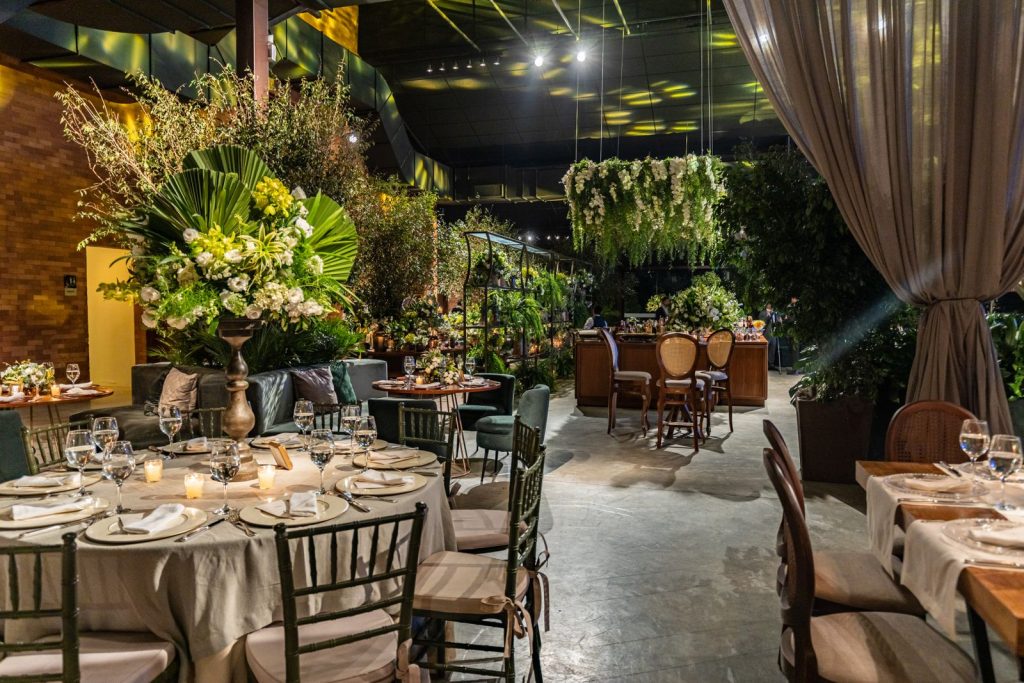
For buffet service, guests need to understand individual dishes rather than rely on one vague description for the entire table. The caterer should explain its information and serving arrangements, including how staff answer questions. UK Food Standards Agency guidance is useful background on allergen communication; local requirements and the caterer’s own procedures remain important when planning an event elsewhere.
Compare the full service package
Ask quotations to separate food, staffing, equipment, tableware and any room-reset costs. A lower menu price may involve a different amount of organiser work or hired equipment. Check the headcount deadline, arrangements for late changes and what happens to unused food. These details make the comparison more meaningful than a per-person headline alone.
Make the final choice with the programme, room plan and guest needs in front of you. Confirm responsibilities in a short service brief and share the latest timings with both the host and venue. The strongest catering format is the one the team can deliver clearly and consistently, with enough time for people to enjoy the meal and the gathering around it.
Further reading: Food Standards Agency: allergen guidance for food businesses.