

Dietary information is only useful when it reaches the people preparing and serving the food in a form they can act on. A long free-text list copied between several emails is easy to misunderstand. Set up one clear collection process, involve the caterer early and keep personal details private. The aim is a meal arrangement that the guest and food team both understand.
Ask a practical question at registration
Use a short, direct question about dietary requirements and offer a contact route for details that need discussion. Do not ask guests to disclose an extensive medical history. The information required to arrange a suitable meal is different from information about diagnosis or treatment. Explain that relevant details will be shared with the catering contact for the purpose of planning service.
Avoid a form that offers only a few broad tick boxes and no way to clarify them. “Other” should lead to a useful conversation rather than an ignored note. At the same time, do not promise that every request can automatically be met. Tell guests when they can expect confirmation and who will answer if the proposed arrangement needs to change.

Separate preferences and specific safety requirements
Meal preferences, cultural requirements and food allergies can require different arrangements. Preserve the guest’s wording until the caterer has clarified what it means for the menu and preparation. An organiser should not translate a detailed request into a casual abbreviation that loses important information. If something is unclear, ask the guest and caterer to resolve the practical question directly.
Do not decide suitability by removing an obvious garnish from an otherwise unspecified dish. Ingredients, preparation and service can all matter. The food business is responsible for the information it provides about its food, and its designated contact should answer the relevant questions. Keep a record of the agreed meal arrangement without turning the general attendance spreadsheet into a medical file.
Use one controlled service list
Create a versioned list containing only the details the catering team needs: guest identifier, confirmed arrangement and a way to locate the guest during service. Restrict access to the people arranging the meal. A public table plan or visible badge should not reveal private dietary information unless a guest has knowingly agreed to a particular discreet identification method.
Agree a deadline for the first complete list and a clear process for later changes. Send updates as changes, not as an entirely new unlabelled attachment. Ask the caterer to acknowledge the final version. When several organisers collect information independently, appoint one person to reconcile it before it reaches the kitchen; duplicate records are not the same as extra care.
Design the handover at the event
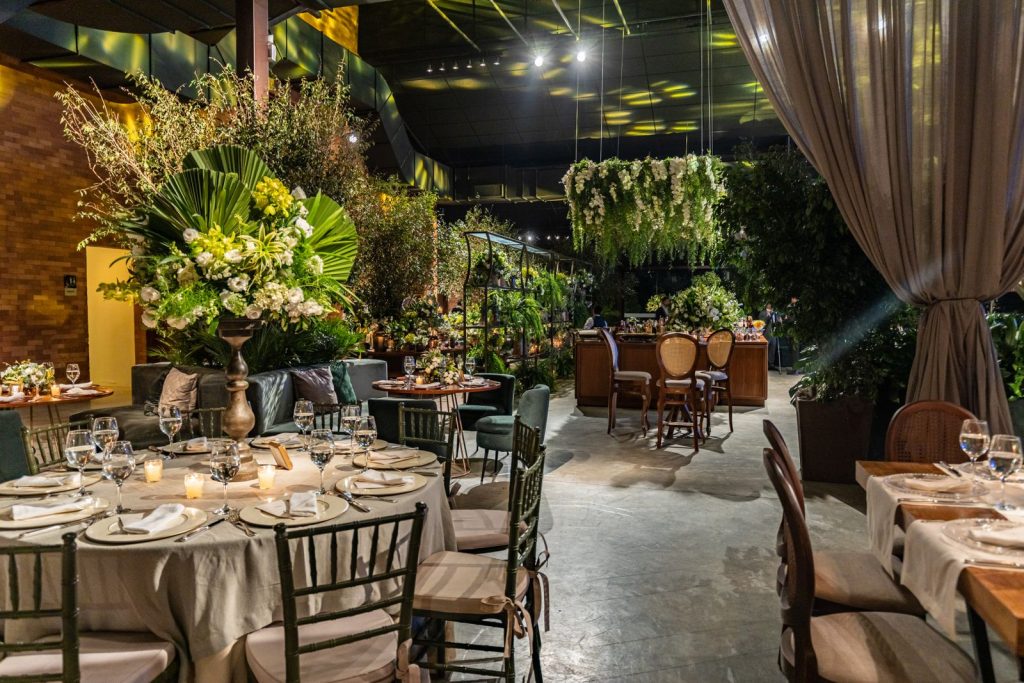
Confirm how a guest will find the appropriate meal or speak to the right staff member. For a seated dinner, a table number and agreed identifier may be useful. For a buffet, discuss the information provided beside dishes and where individual questions will be answered. The process should feel straightforward rather than requiring a guest to explain a sensitive request repeatedly.
Brief the welcome team to refer food questions to the designated catering contact. Friendly guesses about ingredients can undermine a carefully arranged service. If a menu or supplier changes, review affected arrangements before food is served. A printed list is not enough when the dish it describes has been substituted; communication needs to follow the actual food.
Close the information loop after service
Ask whether the agreed arrangements were delivered and note any operational issue, such as an unclear collection point or a missing confirmation. Discuss improvements with the caterer in practical terms. Avoid recording unnecessary personal details in the general event debrief. A process lesson can usually be captured without preserving a guest’s private dietary history.
Retain personal information only as long as needed for the stated purpose and applicable obligations. Do not automatically reuse a previous guest list for a later event: needs, attendance and suppliers may have changed. A fresh confirmation is more reliable than an old assumption. Clear collection, careful sharing and a confirmed handover do more for a good meal experience than an elaborate registration form.