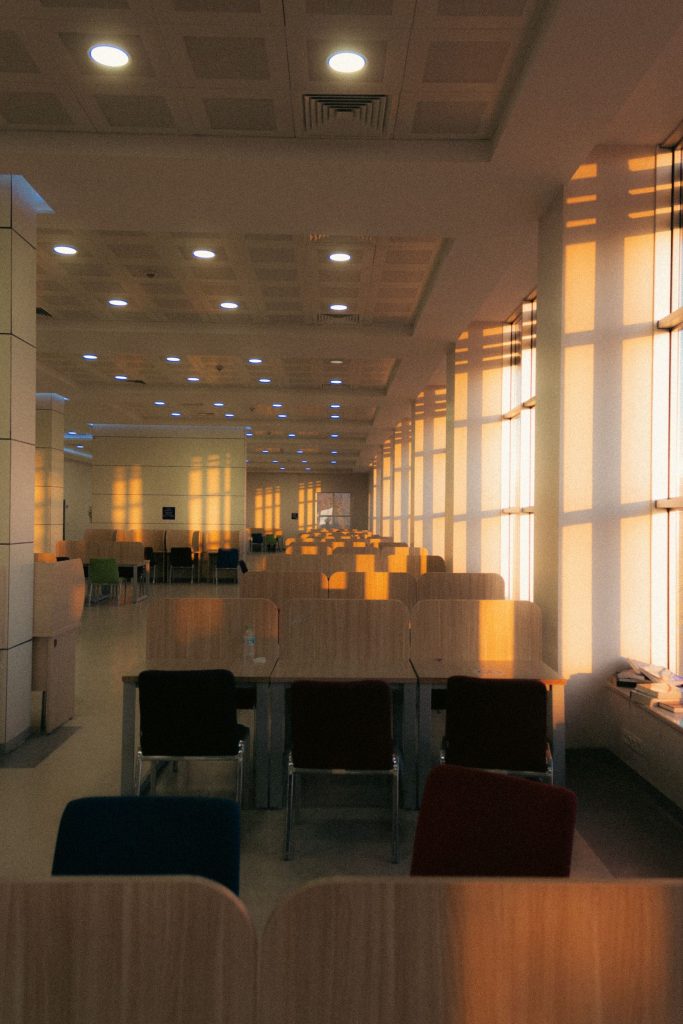
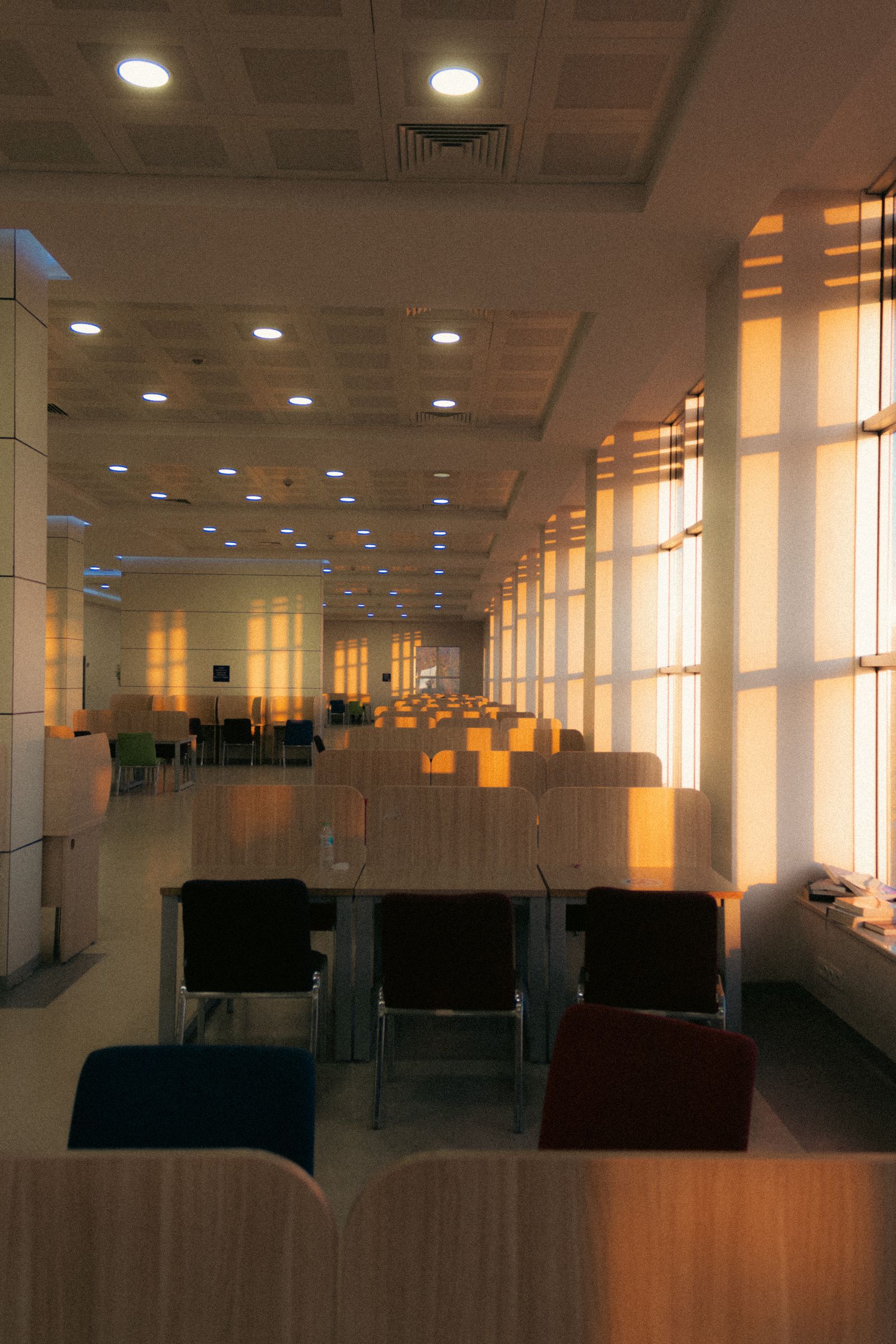
Wayfinding answers a sequence of small questions: is this the right building, which entrance is open, where is registration and how do I return after a break? Guests cannot use the organiser’s familiarity with the venue. Plan signs and instructions from the perspective of a first-time visitor. A clear route reduces late arrivals, repeated questions and the feeling that an event is difficult to navigate.
Trace the decisions along the journey
Walk the route from the most likely arrival points and mark every place a guest must choose a direction. These may include a car park exit, a shared lobby, a stair landing or a corridor with several meeting rooms. A sign is most useful before a decision, not several metres after the turn. Photograph the points with the venue’s permission to support the planning discussion.
Repeat the exercise in reverse and for journeys to toilets, refreshments and breakout rooms. Guests often find the first room successfully and become uncertain when they leave it. Include step-free routes in the main information, especially where they differ from the most obvious stairs. The destination should use the same room name in the programme, signs and staff instructions.
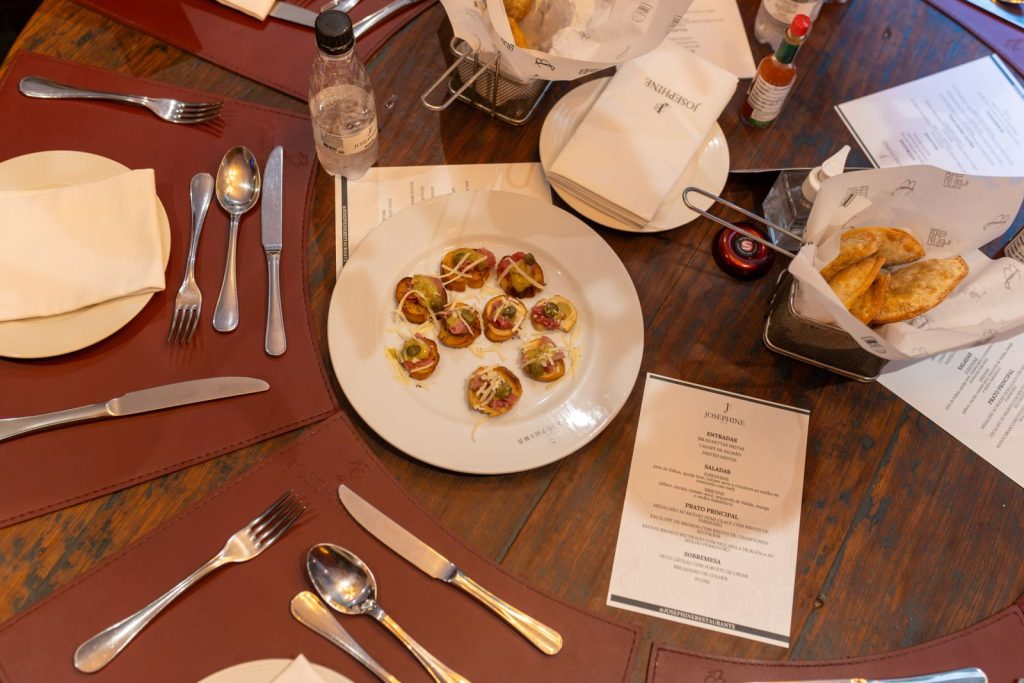
Use fewer words with clearer meanings
Choose a consistent event name and a short set of destination labels. “Registration”, “Main room” and the actual room name can work together when their relationship is obvious. Avoid internal abbreviations or a supplier’s project code. A guest scanning a sign while carrying a bag needs a clear destination and direction more than a long welcome message.
Use readable type, strong contrast and an uncluttered layout. Directional arrows should have a consistent style and a clear relationship to the words they serve. Test a sample at the distance from which it must be read. A design that looks elegant on a laptop can become difficult to interpret when printed small and placed behind a group of people.
Place signs without creating obstacles
Agree positions with the venue before attaching anything to walls or placing stands. Signs must not reduce a necessary route, obstruct a door or interfere with existing safety information. A freestanding board needs a suitable location and support. Outdoor signs also need a plan for weather rather than being balanced on temporary furniture near the entrance.
Consider seated and standing sightlines. A sign placed high behind the welcome team may be visible from a distance but unreadable to someone close to the desk. Where a route depends on a lift or controlled door, explain the process in plain language. If staff assistance is required, provide a reliable contact point rather than an instruction to “ask someone nearby”.
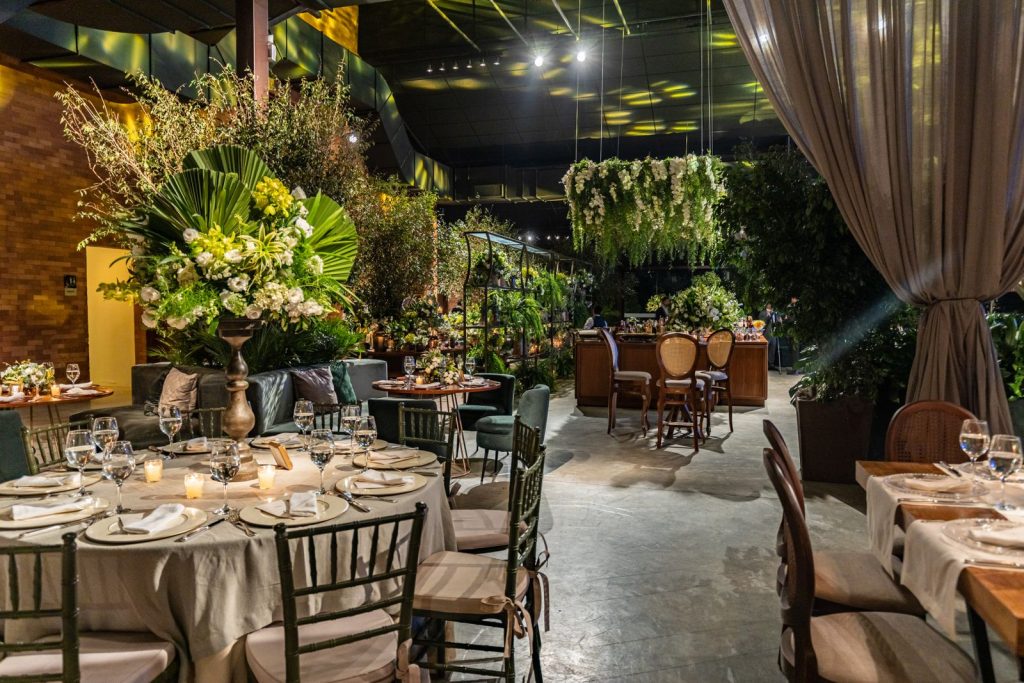
Connect advance information with the physical route
Send an arrival note showing the correct entrance, transport options and any known access details. Use descriptive links and text that remains useful if an image does not load. A map can support the explanation, but it should not be the only way a guest learns which door to use. Include an event-day contact for unexpected difficulty.
Check the information against the final venue arrangement. A renovation, road closure or change of room may invalidate an earlier instruction. Update all relevant places together, including automated registration emails and the event page. Brief the welcome team on the route guests were told to follow so that staff can recognise a common misunderstanding instead of treating every question as a separate problem.
Test the route with a newcomer
Ask someone unfamiliar with the building to follow the instructions without coaching. Watch where they slow down, look for reassurance or choose the wrong turn. Those moments indicate where wording or sign placement needs attention. Testing does not require a large exercise; one careful walk can reveal assumptions that remain invisible to the team that visits the room every week.
After the event, remove temporary signs promptly and record useful improvements. A sign for yesterday’s gathering creates confusion for the next visitor. Save a simple route plan and a list of approved sign locations for future events, but check them again before reuse. Effective wayfinding is modest, consistent information placed at the moment a guest needs to make a decision.