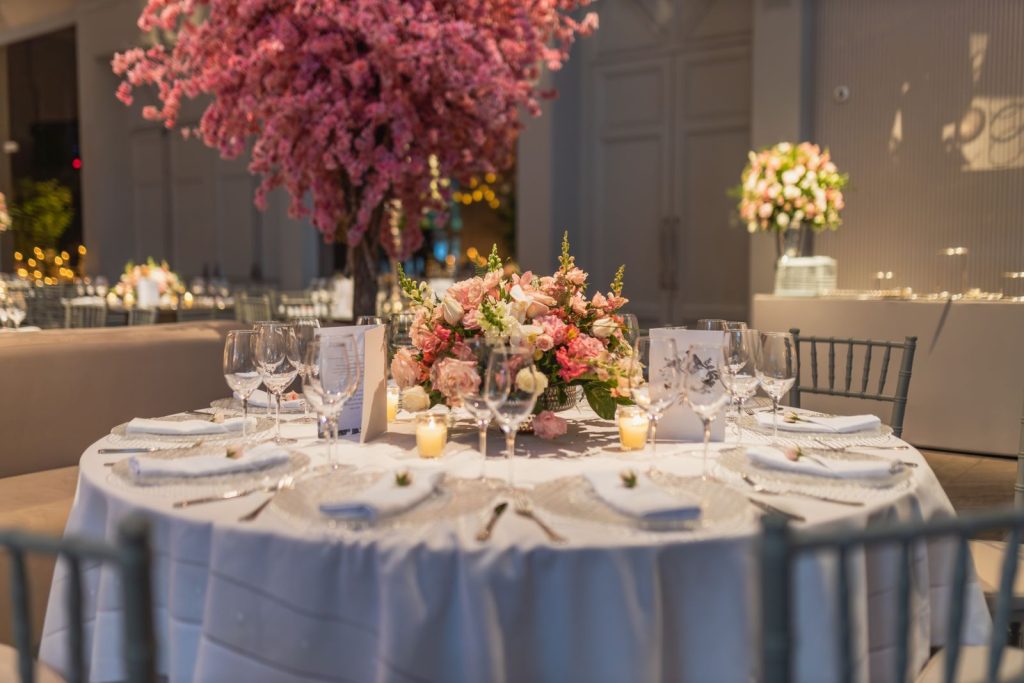
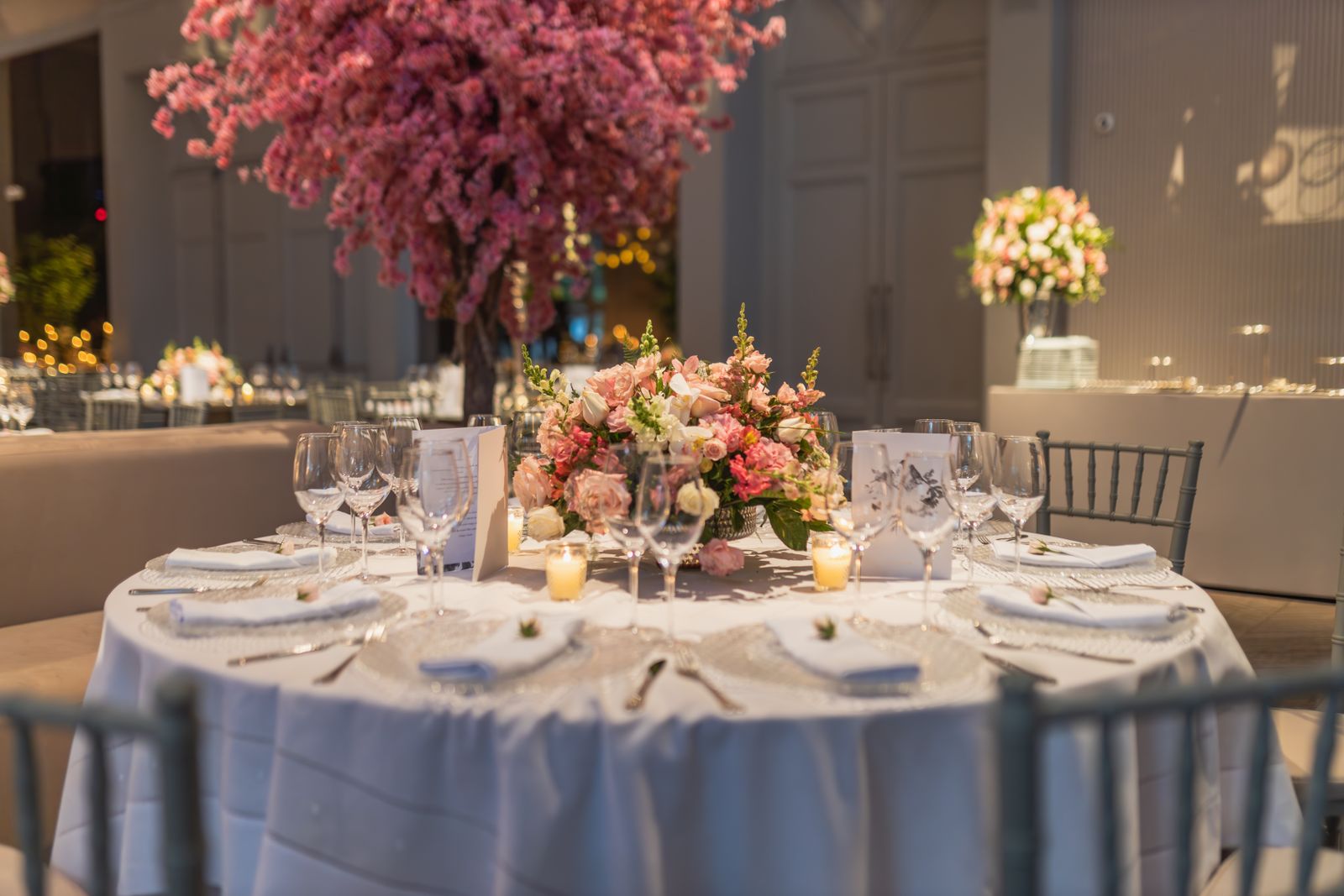
Food waste at an event often begins before the kitchen starts work. Unclear attendance, duplicated meal requests and a programme that disrupts service can all lead to food being prepared without a useful plan for serving it. Work with the caterer on a realistic headcount and a flexible service arrangement. The objective is a well-fed group with fewer avoidable leftovers, not a meal that feels deliberately insufficient.
Build a headcount that distinguishes different groups
Separate invited guests, confirmed attendees, speakers, staff and suppliers who need a meal. A registration total may include people who will attend only part of the programme or who have already cancelled. Record which meals each group needs instead of applying the same full-day catering count to every person connected with the event.
Choose one owner for the final count and reconcile different registration sources before sending it to the caterer. If the team also accepts replies by email or telephone, make sure they enter the same record. A small duplication can affect several meals when copied into each service period. Confirm the counting method early so that everyone understands what the final number represents.
Agree deadlines and flexibility with the caterer
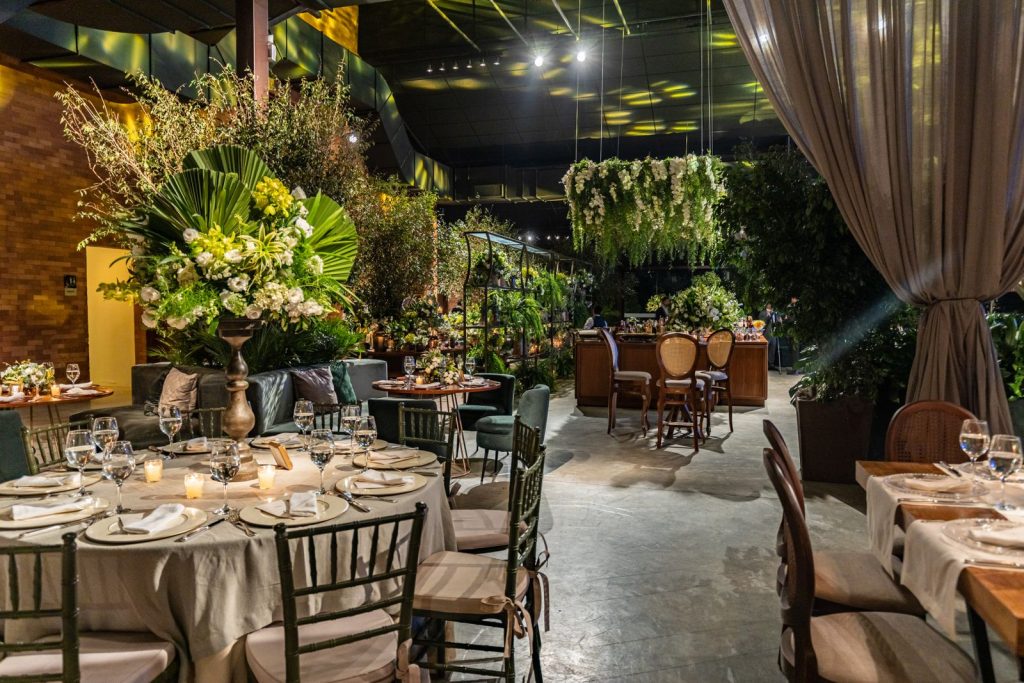
Ask when the caterer needs a provisional count and when the final commitment becomes fixed. Discuss what can still change afterward and how that affects the service. A realistic arrangement may allow some adjustment, but the organiser should not assume flexibility that has not been agreed. Put the deadlines into the event plan rather than leaving them in a separate quotation email.
Use previous attendance patterns carefully if you have them, while recognising that a different audience or format can behave differently. Do not apply a generic no-show percentage without evidence. Explain uncertainty to the caterer and discuss suitable options. A conversation about portions, replenishment and menu structure is more useful than quietly ordering less and hoping every guest will still be served.
Match the menu to the programme
Consider when guests arrive, how long they remain and what other food is offered. A substantial welcome spread immediately before dinner may be unnecessary for the intended experience. Short breaks may suit simpler food that can be served and eaten comfortably. Ask the caterer to suggest an appropriate quantity and format for the actual sequence rather than treating every break as a separate full meal.
Discuss how food will be replenished during service. Bringing everything out at once can create a different result from staged replenishment under the caterer’s control. The right approach depends on the food, equipment and event. Safety and appropriate handling remain essential; an organiser should not improvise a reuse plan simply because a dish appears untouched.
Make service information clearer
Help guests identify what is available without forcing them to take an item just to discover what it is. Clear dish descriptions and a sensible serving order can reduce abandoned plates. Dietary arrangements should be confirmed in a way that lets the correct meal reach the correct person. Preparing several speculative alternatives because requests were never clarified can create both confusion and waste.
Keep the catering contact informed about programme changes. A late-running session can affect food that has been prepared for a specific service time. The host and organiser should not independently promise different lunch times. One operational contact can agree an adjustment with the kitchen and then give guests a clear update, protecting both food quality and the rest of the day.
Measure the useful parts of the result
Ask the caterer what remained, which items were most popular and where the count differed from attendance. Distinguish preparation surplus, food displayed for service and plate waste where the team can do so usefully. A note saying “too much food” is less helpful than understanding which meal, quantity or service decision created the surplus.
Record one or two specific improvements for the next event: a better meal confirmation, a revised break menu or a clearer final-count deadline. Any donation or redistribution needs an appropriate arrangement with the food business and receiving organisation, including safe handling. Better planning is the first tool. It reduces waste while keeping hospitality, food safety and a comfortable guest experience at the centre of the event.