Event planners often face the task of fitting meal service into a programme without interrupting its rhythm. The key lies in matching service style and timing to how people move between sessions and how long each segment lasts. Programme details such as session duration, break lengths and the number of attendees expected at each point provide the starting information for these decisions. Without this alignment, queues form, energy levels drop and the overall schedule slips. The process begins with a clear reading of the running order rather than assumptions about standard meal times.
Attendee movement patterns add another layer. Some groups stay in one room for extended periods while others shift between spaces at set intervals. Dietary needs and group size further influence whether plated service, counter collection or shared platters suit the occasion. Responsible authorities such as local food safety bodies set baseline requirements for handling and presentation, and these remain consistent regardless of event scale. The following sections outline practical steps for matching service choices to programme realities.
Reading the Programme for Natural Meal Windows
Begin by listing every transition in the running order and noting the exact minutes available between segments. Intervals shorter than forty-five minutes typically support only beverage stations or pre-packed items that require minimal staff presence. Longer gaps of ninety minutes or more allow for seated service provided clearance can finish ten minutes before the next item starts. This mapping exercise reveals whether meals must run in parallel with sessions or can occupy dedicated slots. Planners check historical attendance data from similar events to adjust expected numbers rather than relying on maximum capacity figures alone.
Arrival and departure waves also shape the windows. When delegates register over a thirty-minute period, a continuous coffee point works better than a single breakfast call. Mid-morning energy dips often coincide with the end of the second session, so a light refreshment station placed near the exit route prevents crowding at the main catering area. The test for a viable window is whether the chosen format can be completed and the space reset without delaying the subsequent programme item by more than five minutes. If the calculation shows overlap, the format must change to a faster option.
Matching Formats to Group Size and Session Length
Group size directly determines feasible service methods. When more than eighty people move together, plated service at assigned tables keeps movement controlled and allows accurate portion control. Smaller cohorts of thirty or fewer can use counter service without creating bottlenecks, as individuals collect items at their own pace. Session length supplies the second constraint: workshops under two hours leave little margin for a full lunch break, so a working meal served inside the room maintains continuity. Half-day meetings with a clear ninety-minute gap accommodate a change of location for dining.
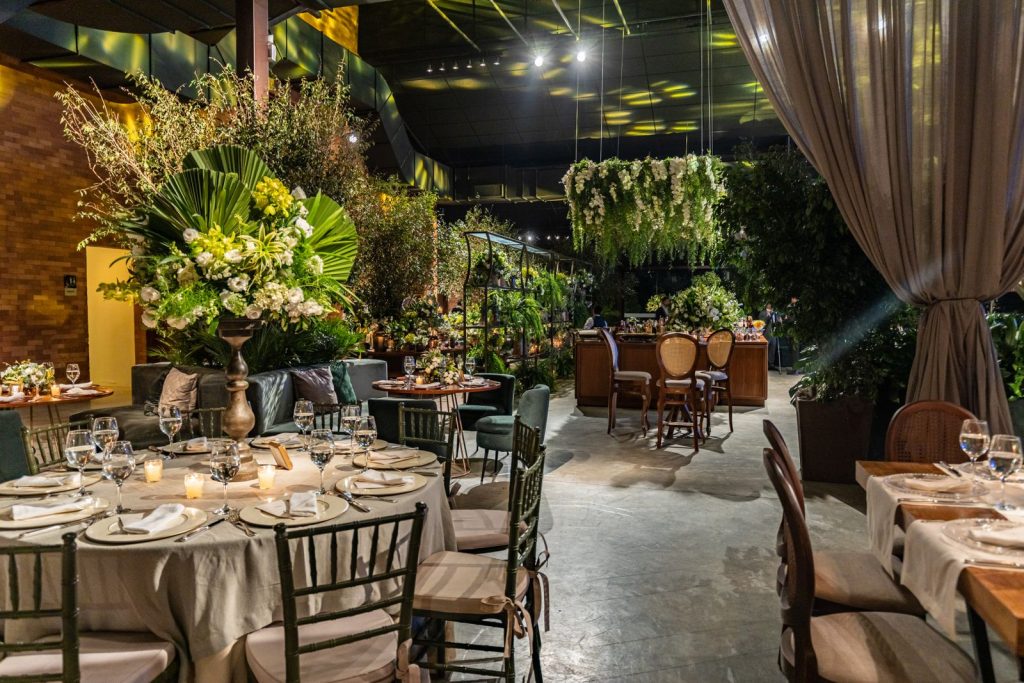
Judging suitability requires comparing the expected clearance time against the available interval. Plated service usually needs twenty minutes for removal and table reset, while a buffet line requires staff to monitor flow so queues do not extend into corridors. The applicable condition is that the chosen format must leave at least ten minutes buffer before the next session begins. A common error is selecting a format based on menu preference rather than these time calculations, which leads to rushed service or delayed restarts. Testing the route between rooms beforehand confirms whether trolleys or trays can move efficiently.
Communicating Service Needs to Catering Teams
Supply the venue or caterer with the final running order at least ten days in advance, including exact headcounts per segment and notes on whether delegates arrive in waves. Include requirements for minimal noise during certain sessions so staff know when to pause clearing. Written confirmation of setup and clearance times prevents misunderstandings on the day. The document should list power points available for any on-site equipment and the maximum number of staff permitted in each service area at once.
Applicable conditions include advance notice of any programme changes after the initial handover. A common error is assuming verbal agreements cover last-minute adjustments, which can result in mismatched staffing levels. The practical step is to schedule a brief telephone call the evening before to confirm numbers and any session overruns. This keeps service aligned with actual movement rather than the original plan alone. Local food safety regulations dictate temperature controls and allergen separation, and these must appear in the shared instructions so both parties apply the same standards.
Handling Dietary Information Within Service Flow
Collect requirements through a single form that asks for specific exclusions rather than broad categories, then pass the collated list to the caterer at least five days before the event. Mark dietary dishes with clear labels at the point of service instead of creating separate queues. For plated meals, brief waiting staff on the placement of each special plate so delivery remains part of the normal sequence. Self-service counters benefit from positioning dietary options at the start of the line to reduce backtracking and keep overall movement orderly.
The judgment criterion is whether every attendee can identify and receive a suitable meal within the same time frame as the main group. An error to avoid is seating people with requirements at separate tables, which fragments the group and complicates programme flow. Where numbers are small, a pre-set plate delivered to the correct seat works provided staff have a seating plan. Larger groups require visible signage that does not rely on verbal explanation during busy periods. These steps respect both individual needs and the collective timetable.
Adjusting Service During Multi-Day Programmes
Over several days, patterns of attendance and energy shift. First-day arrivals often prefer quick collection points, while later days may support longer seated options that encourage informal discussion. Build a core menu that can switch between plated and shared formats depending on observed behaviour each morning. A short review meeting with the catering contact before service begins allows minor changes without altering the overall plan.
The condition for adjustment is that any change must still meet the original clearance deadline for the next session. Recording actual numbers served against planned figures each day provides the data for the following morning’s decision. A frequent mistake is locking the format for the entire event based on day-one observations, which ignores how familiarity with the venue changes movement speed. Keeping the same dietary marking system throughout maintains consistency for returning attendees.
Checking Practical Limits on Site
Walk the routes delegates will use and measure corridor widths, lift capacity and the distance from service areas to toilets. Narrow passages limit trolley use, while distant facilities extend required break lengths. Verify power and water points for any preparation that occurs on site. These physical checks occur after the programme is drafted but before final menu confirmation, because layout constraints often rule out certain formats.
The test for feasibility is whether the chosen service style can operate without obstructing programme movement or breaching safety regulations. A common oversight is focusing only on menu content while neglecting these spatial factors, which leads to congestion or delayed resets. Where space is tight, a hybrid approach such as pre-plated items collected from a central point may replace full table service. Notes from the site walk remain attached to the running order so future events with similar layouts can apply the same constraints.
Recording Outcomes for Future Programmes
After the event, note the actual time taken for each service stage against the planned schedule and list any bottlenecks observed. Record whether dietary dishes reached the correct people without extra explanation and whether clearance finished within the buffer period. These observations stay linked to specific programme features such as session length or delegate numbers rather than general impressions.
The method involves a short written summary completed before the team disperses, focusing on measurable items like queue length and clearance minutes. This record supports planning for events with comparable structures without requiring new data collection. An error to avoid is relying on memory alone, which fades before the next similar programme is drafted. The accumulated notes become a practical reference that improves alignment between meal service and programme flow over successive events.