Begin by listing the number of attendees expected in each category, such as staff, speakers, sponsors and external guests. Note any movement patterns described in the programme, for example sessions that require quick exits or longer breaks. This list forms the basis for later decisions on portion sizes and service speed. Cross-check the list against the venue capacity to confirm that chosen formats fit the physical space without overcrowding. Review the programme once more to identify any last-minute additions that alter group sizes or timings before finalising orders.
Next, record how long each segment lasts and whether food is intended before, during or after it. Short gaps between activities favour quicker service options, while longer intervals allow more elaborate setups. Keep these timings visible when discussing options with caterers. Note the exact start and end times for each meal window so that service staff can prepare without overlapping other programme elements. Confirm these details in writing with the programme organiser to avoid later disputes over when service should begin or end.
Listing attendee categories before choosing formats
Separate the guest list into groups that share similar dietary patterns or mobility needs. Families with children often require faster access to items, while conference speakers may need meals that can be eaten while standing. Write each group size next to its main requirements so numbers remain clear when ordering. Include internal staff and volunteers in the count because they also consume resources during the day. Revisit the list after any registration updates arrive, because even small changes in numbers affect portion calculations and staffing levels. A common error at this stage is grouping everyone under one heading without noting movement differences, which later causes queues or shortages when one group finishes earlier than expected.
Compare the groups against the programme to see where overlaps occur. If two groups finish sessions at different times, staggered service can prevent queues. Note any shared dietary restrictions that appear across multiple groups, as these influence the main menu choices rather than side options. Check whether any group has specific mobility requirements that affect where they can collect food. Record these observations on the same sheet used for numbers so that the caterer receives one clear document rather than scattered notes. This method reduces the chance of overlooking a restriction that only appears in one subgroup.
Selecting between plated, shared and self-service styles
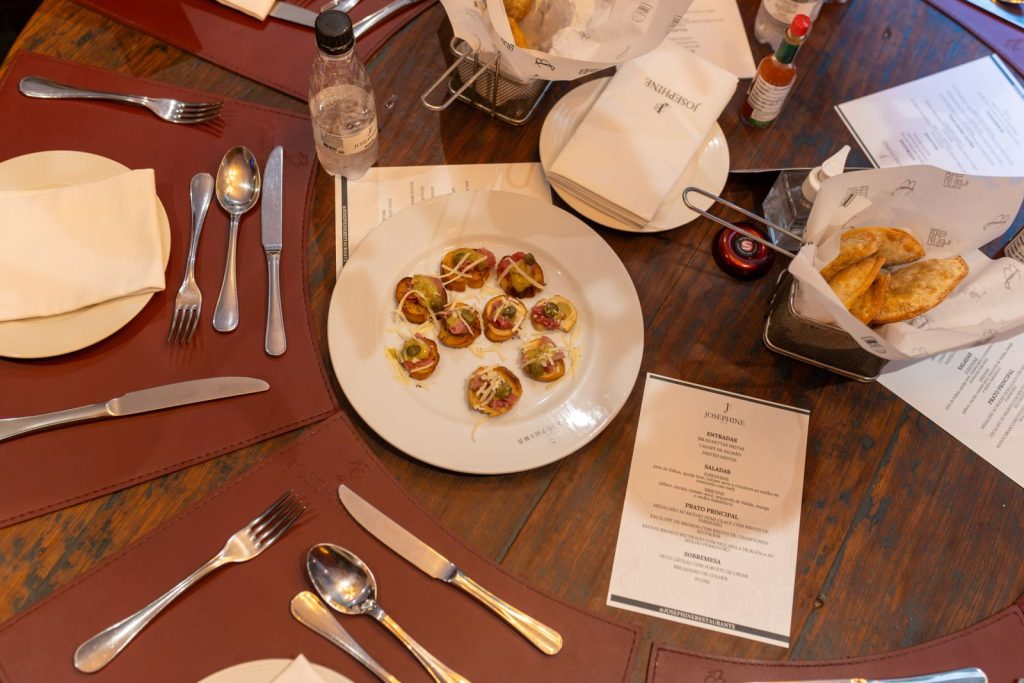
Plated service works when attendees remain seated for a fixed period and the programme allows 45 minutes or more. It reduces movement but requires more staff. Shared platters suit informal networking segments where people stand and talk, provided the programme has no immediate follow-on activity that needs cleared tables quickly. Decide between these styles by measuring the longest stretch of continuous seating time shown in the programme schedule. If that stretch falls below 40 minutes, plated service becomes impractical because clearing takes too long and risks delaying the next item. Always test the chosen style against the actual room layout to confirm that tables or counters do not obstruct emergency exits.
Self-service counters suit events with variable arrival times, yet they demand clear signage and space for queues. Check the venue layout against the programme to confirm that counter positions do not block exits or registration areas. Adjust the chosen style if the programme later adds an extra session that shortens the meal window. A frequent mistake is assuming self-service always saves staff time; in practice it often needs one extra person to restock and manage flow. When the programme shows rapid transitions between sessions, choose plated service only if the venue can supply enough servers to finish within the available gap.
Collecting dietary information without repeated requests
Send a single form that asks for allergies, intolerances and preferences separately. Use tick boxes for the most common items and a short text field for additional notes. Send the form at the same time as the programme outline so recipients see why the information matters for timing. Set a clear deadline at least seven days before the event so that replies can be processed without last-minute changes. Keep a record of who has replied and send one polite reminder only to those who have not responded by the halfway point. This approach avoids multiple follow-up messages that irritate recipients and create duplicate entries.
Store responses in one shared document that caterers and service staff can access. Update the document only when new replies arrive, and mark the date of each change. This prevents multiple emails asking the same person for the same detail. Separate medical allergies from personal preferences so that the kitchen can prioritise safety requirements over taste requests. If the form returns a large number of similar restrictions, discuss with the caterer whether a dedicated station or modified main menu offers the clearest solution. Retain the original replies for reference in case any query arises on the day.
Timing refreshment points to programme changes
Place coffee or water stations near session rooms that finish at the same time, yet keep them away from doors used by the next group entering. Allow ten minutes for movement before service begins so people are not carrying drinks into presentations. Measure the distance between the exit of one session and the entrance of the next to judge whether one station suffices or whether a second is required. Adjust the location if the programme shows that a large group will move through a narrow corridor at the same moment. Confirm the placement with the venue manager to ensure that electrical points and waste disposal are available at the chosen spots.
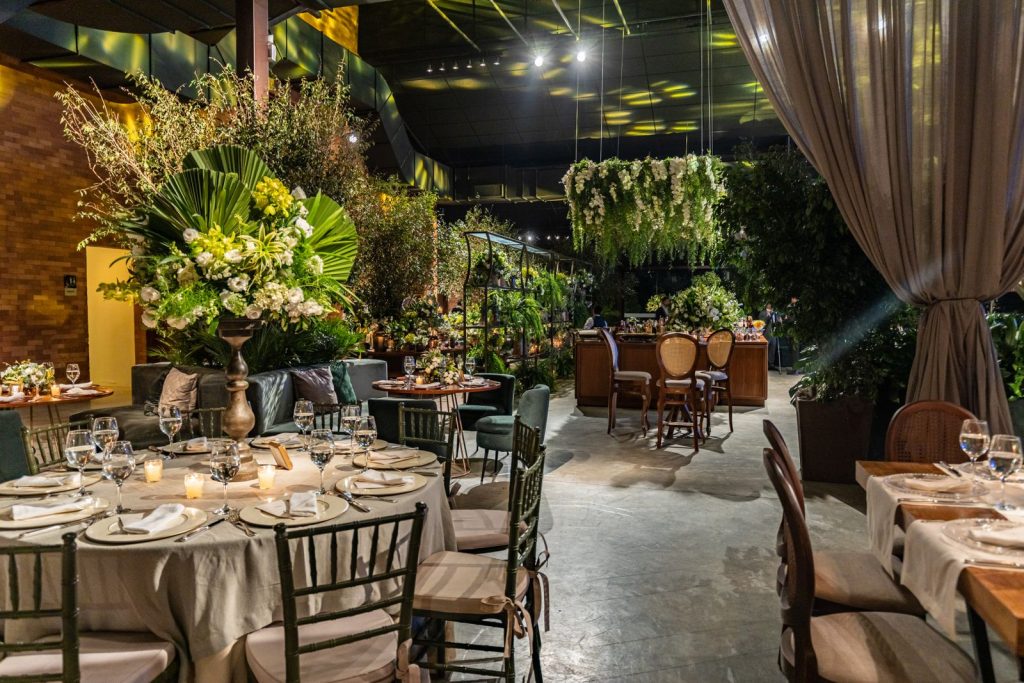
For longer breaks, schedule plated items after the majority of attendees have arrived rather than at the exact break start. This reduces waste from early servings that cool or dry out. Confirm the exact minute the previous session ends with the programme lead before fixing the service clock. Build a small buffer into the schedule because speakers sometimes overrun. When the programme includes back-to-back workshops with only fifteen minutes between them, limit refreshment points to water stations only and move substantial food to the next longer interval. Record these decisions on the running order so that everyone follows the same sequence.
Adjusting portions and staffing for group movement
Estimate that groups moving between rooms consume 10 to 15 percent less at a single sitting than seated groups. Reduce plated portions accordingly and increase the number of smaller shared items that can be carried. Add one extra service person for every 25 mobile attendees to keep queues short. Base the percentage on observed patterns from similar events rather than guesswork, and adjust only after checking the actual programme flow. When the schedule shows repeated short movements, prepare some items in advance so that service can start immediately once the majority has arrived.
Review the venue floor plan with the programme timings to spot pinch points, such as narrow corridors between sessions. Move a secondary station to an alternative location if the main route becomes crowded. Record the adjusted numbers in the same document used for dietary details. A common oversight is failing to account for staff who also need refreshment during these periods; include them in the total so that supplies last through the full day. After the event, compare actual consumption against the estimate to refine future calculations without relying on external data.
Confirming final numbers and service sequence
Send the compiled attendee list, dietary summary and timed service plan to the caterer at least five working days before the event. Request written confirmation of each item, including the number of staff allocated to each station. Any change after this point must be logged with both time and person who authorised it. Include a brief description of the venue access route so that suppliers know where to unload without blocking guest movement. Verify that the caterer understands which groups have priority access to service points based on programme order.
On the day, hold a five-minute briefing with service staff using the printed running order. Point out which groups finish first and where they will move next. This keeps service aligned with actual movement rather than the printed schedule alone. After service ends, note any items that ran out early or remained unused. Keep the notes with the original attendee list for the next similar programme. These records help refine quantities without requiring new research each time. Review the entire sequence once more before the next event to identify any steps that can be simplified.