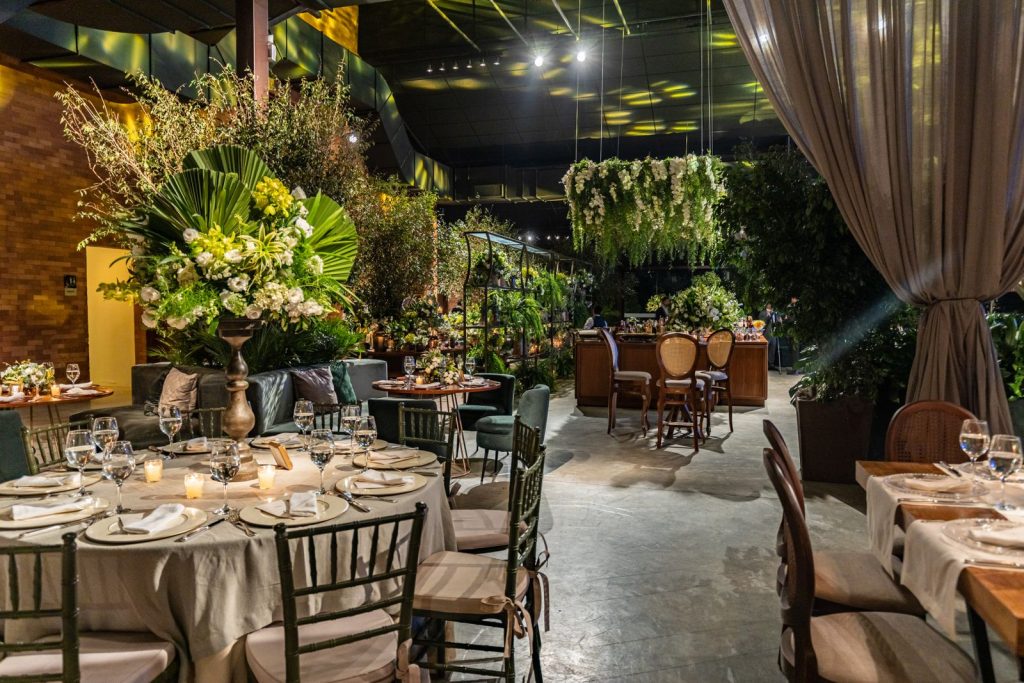
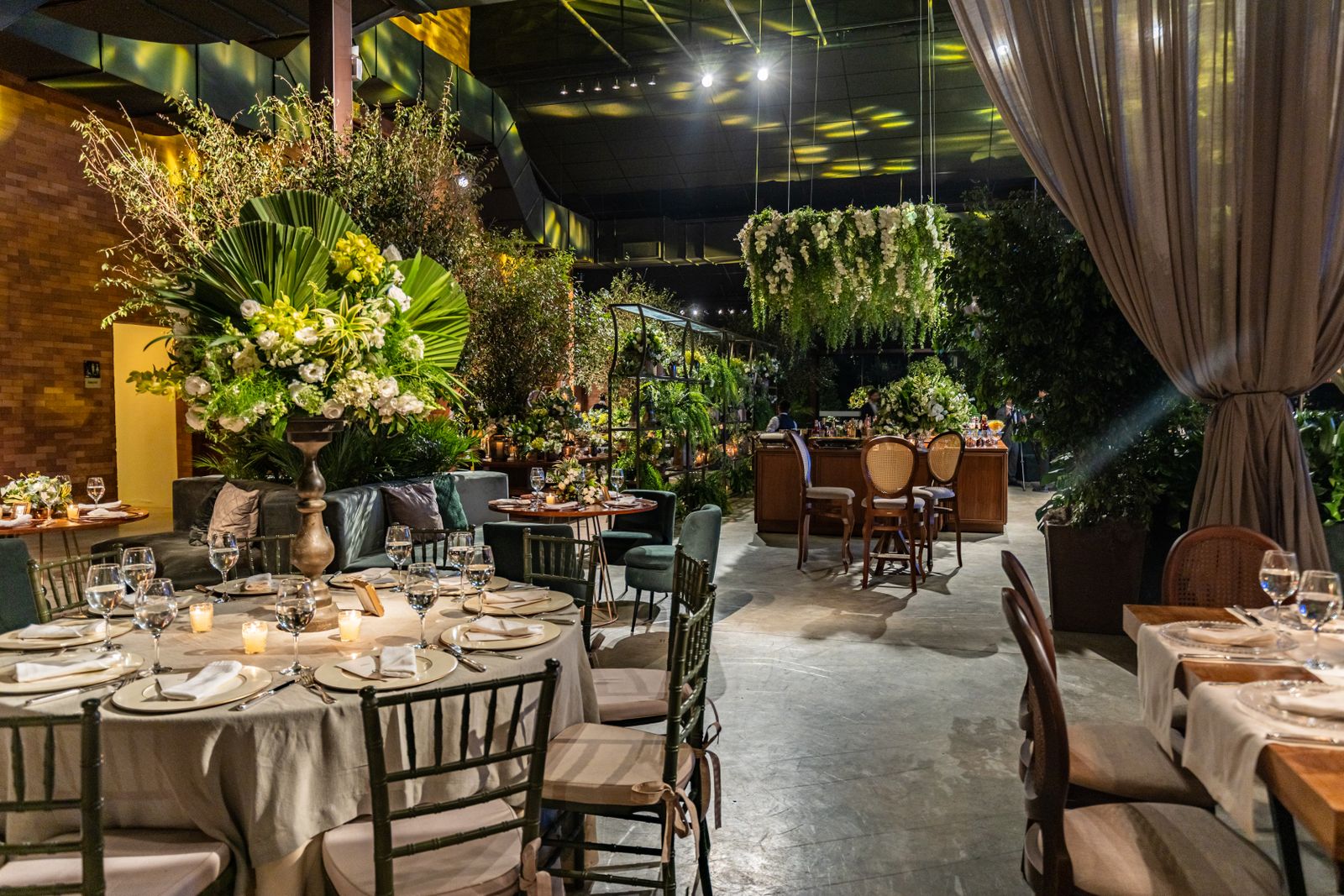
A poster session succeeds when people can inspect an idea and comfortably discuss it with its author. Filling the maximum number of boards into a room does not necessarily achieve that purpose. Guests need viewing distance, a place to pause and a route past conversations already under way. Authors need clear mounting instructions and a realistic role during the session. Plan the exhibition as a social working space, with attention to movement, content and the practical details that turn a row of displays into a useful exchange.
Define what visitors should do at each poster
Decide whether posters introduce projects, invite feedback, present research or support a selection process. Each purpose creates a different interaction. A visitor offering written comments needs a surface or a digital route; someone discussing a technical drawing may need more viewing space. Share the intended interaction with authors before they design their material, so the content fits the session rather than arriving as a dense report printed at a larger size.
Give authors a short content brief with the main question the poster should answer. Encourage a clear title, a concise explanation and a visible invitation to the desired conversation. Avoid making every poster conform to an elaborate visual identity if that would obscure its content. Consistency is most useful for practical elements such as dimensions, author details and numbering; it should not remove the differences that make the projects worth discussing.
Draw the room with people in it
Mark boards, entrances, fixed furniture and any areas that must remain clear. Then add the space occupied by a person reading and a small group talking. This second drawing often reveals why the apparent board capacity is misleading. Ask the venue to confirm suitable routes and support arrangements for the proposed installation. Do not use leftover gaps near doors or circulation areas simply because another board will physically fit there.
Consider how guests will find the posters relevant to them. A simple numbered plan can be more useful than a long list of names without locations. Grouping by subject may help, but allow enough separation for popular topics to attract discussion without blocking every neighbouring display. If the room is small, consider shorter rotations or fewer simultaneous presentations rather than expecting participants to negotiate an overcrowded space politely.
Give mounting instructions that prevent improvisation
Confirm the permitted poster size, orientation, materials and fixing method with the venue or display supplier. Tell authors what will be supplied and what they must bring. Include access times and a contact for problems. A poster arriving rolled in a tube is different from a rigid panel, and those differences affect transport, storage and mounting. Clarify them before printing, when a correction is still relatively straightforward.
Arrange a controlled setup period and inspect the display before public access. Staff should know who can help if a board is unstable or a mounting method is unsuitable. Avoid asking authors to climb on furniture or attach heavy items to an unfamiliar support. The organiser's practical role is to provide an approved installation method and a clear source of assistance, not to expect every participant to solve the room's technical requirements independently.
Make content usable beyond the printed sheet
Encourage authors to make the essential argument legible without requiring visitors to scan a large block of small text. A short handout or accessible digital version can support people who prefer another format. If a QR code is used, provide a meaningful written address or another way to obtain the material. A code alone is a fragile connection when a phone camera, network or accessibility setting does not cooperate.
Check that digital links lead to the intended material without an unexpected account barrier. Ask authors whether files can be shared after the session and how attribution should appear. Keep the collection organised by poster number and title. This helps visitors return to a project later, while avoiding the assumption that a public display automatically gives permission to redistribute every image or underlying document included in it.
Organise author availability and visitor attention
Specify when authors should stand beside their posters and when they can visit other work. Without this arrangement, some displays may be unattended while others remain crowded throughout the session. A split rotation can let authors take part as visitors without leaving the whole room without presenters. Explain the pattern clearly in the programme, and make it visible on arrival rather than relying on an announcement made before everyone has entered.
Give the session an opening prompt that encourages useful questions. Visitors might ask what decision a project informs, what problem remains unresolved or what feedback the author wants. Avoid turning every poster into a compulsory miniature lecture if conversation is the goal. A host can help people enter discussions and notice quieter displays, while leaving enough freedom for visitors to follow the ideas most relevant to their work.
Plan the ending and the life of the material
Announce when discussion ends and when posters must be removed. Confirm who is responsible for uncollected material and any hired display equipment. A rushed dismantling can create damage or mix up an author's property with venue supplies. Provide a suitable place for packing and keep transport routes clear while visitors are still leaving. The closing procedure deserves the same clarity as the setup instructions sent before the event.
Afterwards, share an agreed list of materials and contact routes rather than distributing a broad attendee database. Ask authors whether the format produced useful exchanges and whether any practical limit prevented discussion. Use that feedback to adjust board spacing, session length or availability rules next time. The value of a poster session lies in the connections made around the work, not in how many photographs show a completely filled room.