A room can look empty without being ready for the next booking. Equipment may still belong to the departing organiser, a spill may need attention and the new layout may depend on furniture stored behind an uncollected display. A successful turnover requires a release process, not simply a gap in the diary. Define what the first team leaves, what the venue checks and when the second team gains access. This protects both events from the assumption that a cleared stage means every operational task has been completed.
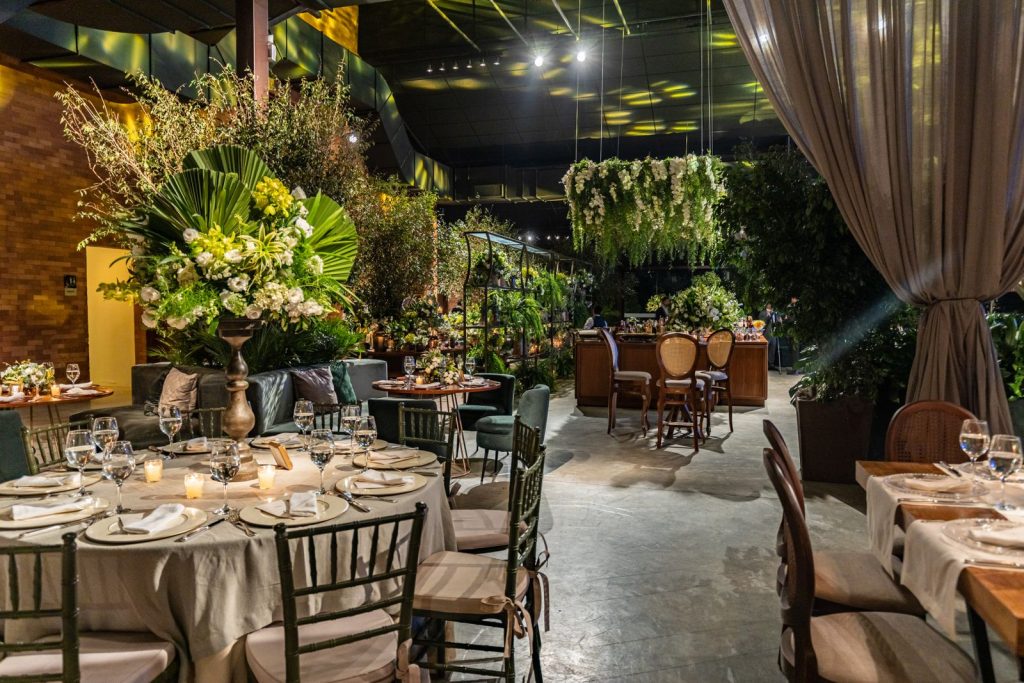
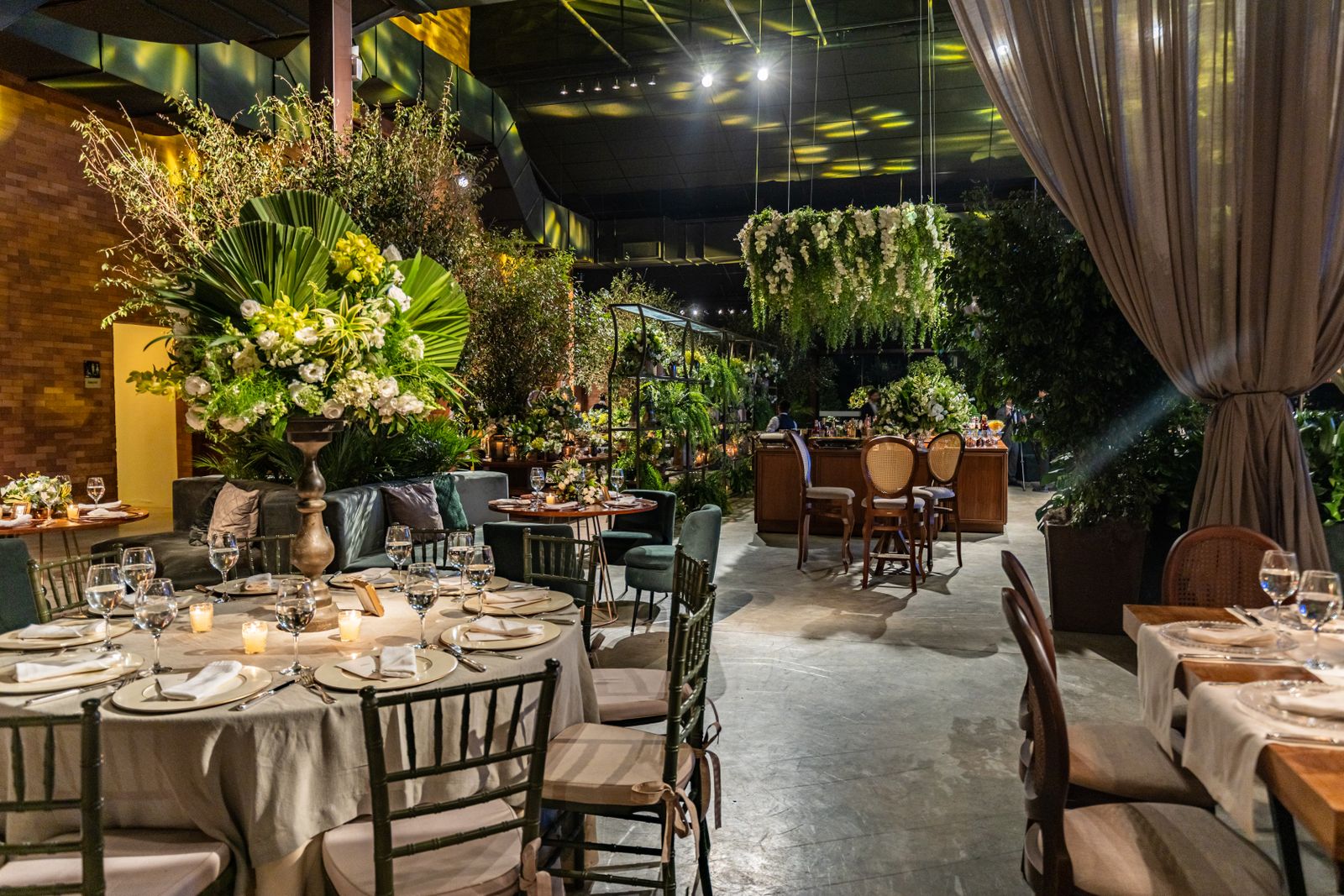
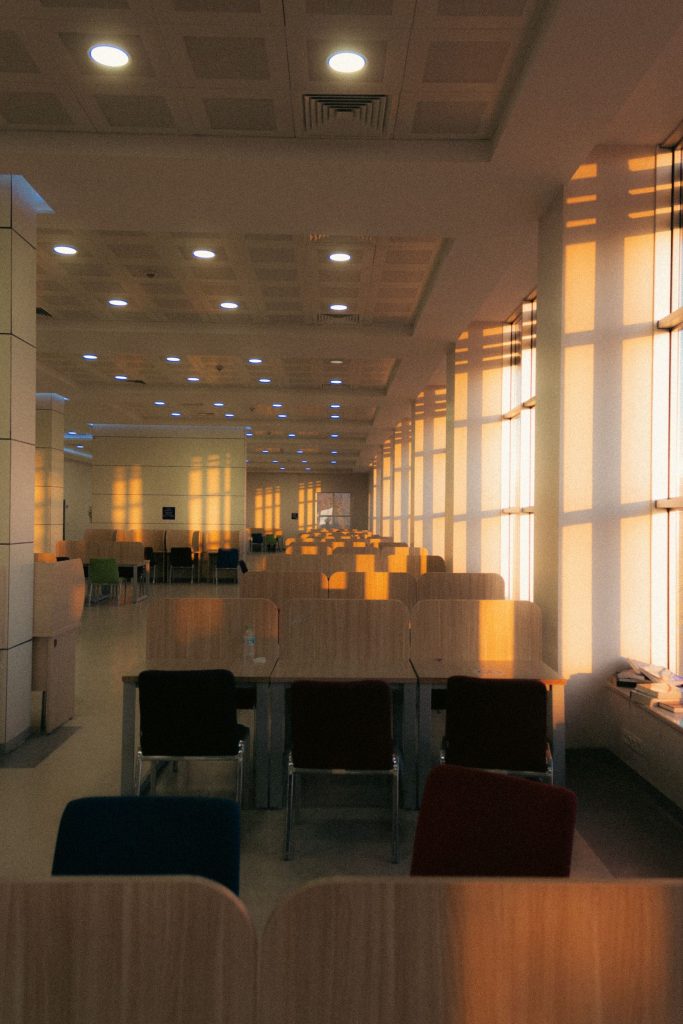
For example, a reception may finish with round tables, hired flowers and a portable bar, while the next booking needs classroom desks and a presentation connection. The gap includes removal of the hired items, handling of remaining glassware, floor attention, furniture movement and testing. These are different jobs performed by different people. Writing them as separate tasks shows which can overlap and which depend on another team finishing first. It also reveals when a quote has allowed time for a room change but not for the work needed to create the condition the next organiser expects.
Define the condition of the room at handover
Describe readiness in observable terms: agreed furniture position, clear routes, available equipment, completed cleaning and no unrelated property left behind. Avoid a vague promise that the room will be freshened up. Different bookings need different conditions, and an organiser preparing a workshop may require tables that a previous reception did not use. The incoming specification should be available before the first booking begins, so staff understand the work between them.
Identify items that remain installed throughout both events and those that must be removed. A microphone stand, decorative fabric or branding panel can appear to be part of the venue when it actually belongs to a supplier. Use a clear inventory or labelled plan where confusion is likely. The outgoing organiser should know which materials are collected immediately and which can move to an approved holding area without delaying the room's release.

Separate clearance from cleaning
Give the departing team a practical clear-out route and a place to sort its own materials. When equipment cases and rubbish bags are mixed beside the same door, cleaning staff may have difficulty knowing what can move. Agree who supervises this stage and who can authorise an item to remain. A cleaner should not have to decide whether an apparently abandoned display contains valuable equipment belonging to someone still elsewhere in the building.
Cleaning can begin in released zones while other work continues only if the venue has planned a suitable method. Ask the responsible team to set the sequence, particularly where liquids, electrical equipment or large furniture are involved. Keep supplies and cleaning work controlled rather than leaving them in public circulation. An efficient turnover is not one where several people improvise competing tasks in the same narrow space at the same time.
Keep the incoming team informed without granting premature access
Tell the next organiser when access begins and where its deliveries can wait if they arrive early. A booking start time should not be interpreted differently by the sales office, reception and the event team. Use one named contact to confirm release. Otherwise a well-meaning member of staff may let a supplier enter a room still being cleaned, making the remaining work harder and blurring responsibility for any damage.
If a delay develops, give a factual update and the next decision time. Explain which preparation tasks can safely proceed elsewhere and which must wait. Avoid promising that the entire room is ready because one corner has been cleared. The incoming organiser needs enough information to adjust its preparation, not repeated optimistic estimates that change whenever a different staff member is asked. Honest coordination is more useful than a premature welcome.
Inspect before changing ownership of the space
Walk through the room after the essential work is complete. Check the new layout against the approved plan, look for obvious surface problems and confirm the required equipment is present. Use the venue's inspection procedure for technical and safety matters. The person releasing the room should be able to identify unresolved issues and arrange competent help, rather than treating a quick visual glance as proof that every system has been tested.
Record damage or missing items while their context is still clear. Photographs may support a factual record when permitted, but they should not include unrelated guest information. Keep the inspection focused on the condition being handed over. Sorting out a disagreement later becomes more difficult when no one can establish whether an item was absent before setup, moved during cleaning or collected accidentally by the previous event's supplier.
Use the turnover record to improve the diary
After both bookings, compare the actual work with the time allowed. Distinguish a late departure from a normal task that was never included in the gap. Furniture changes, floor care and equipment checks take working time even when every team arrives promptly. If the same problem returns, change the booking assumptions or staffing arrangement instead of repeatedly asking people to work faster around a structurally unrealistic schedule.
Create a compact note for future bookings of the same kind: the layout change, the difficult access point and any equipment that needs a separate reset. Keep it factual and current. A turnover process becomes dependable when it is treated as a small piece of venue production with its own responsibilities and finish criteria. The next event should inherit a usable room, not the remaining uncertainty from the one that has just ended.