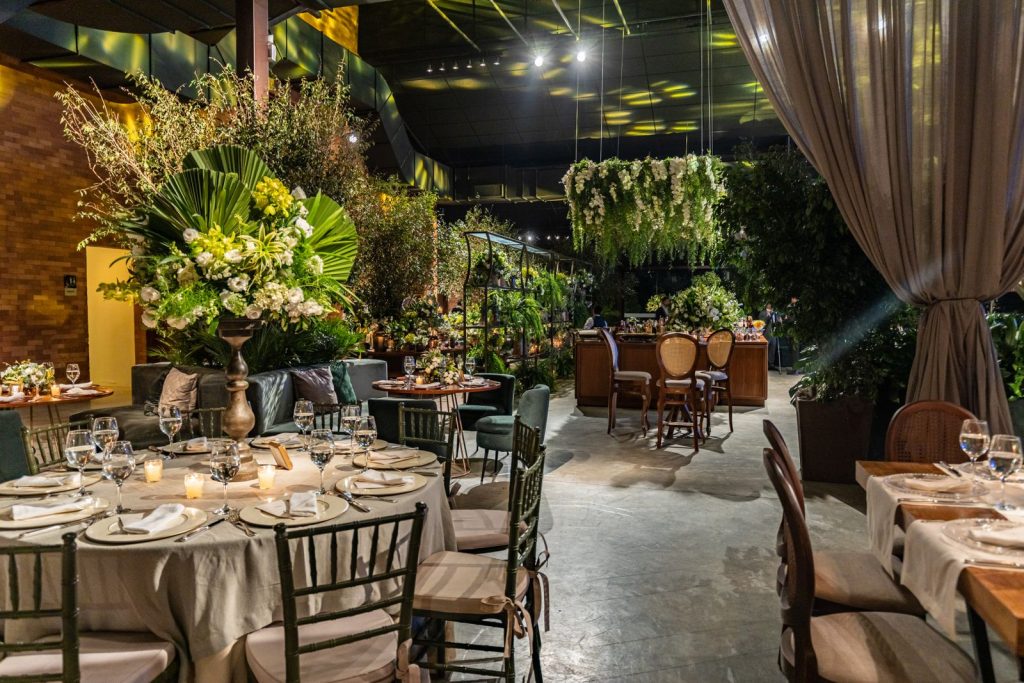
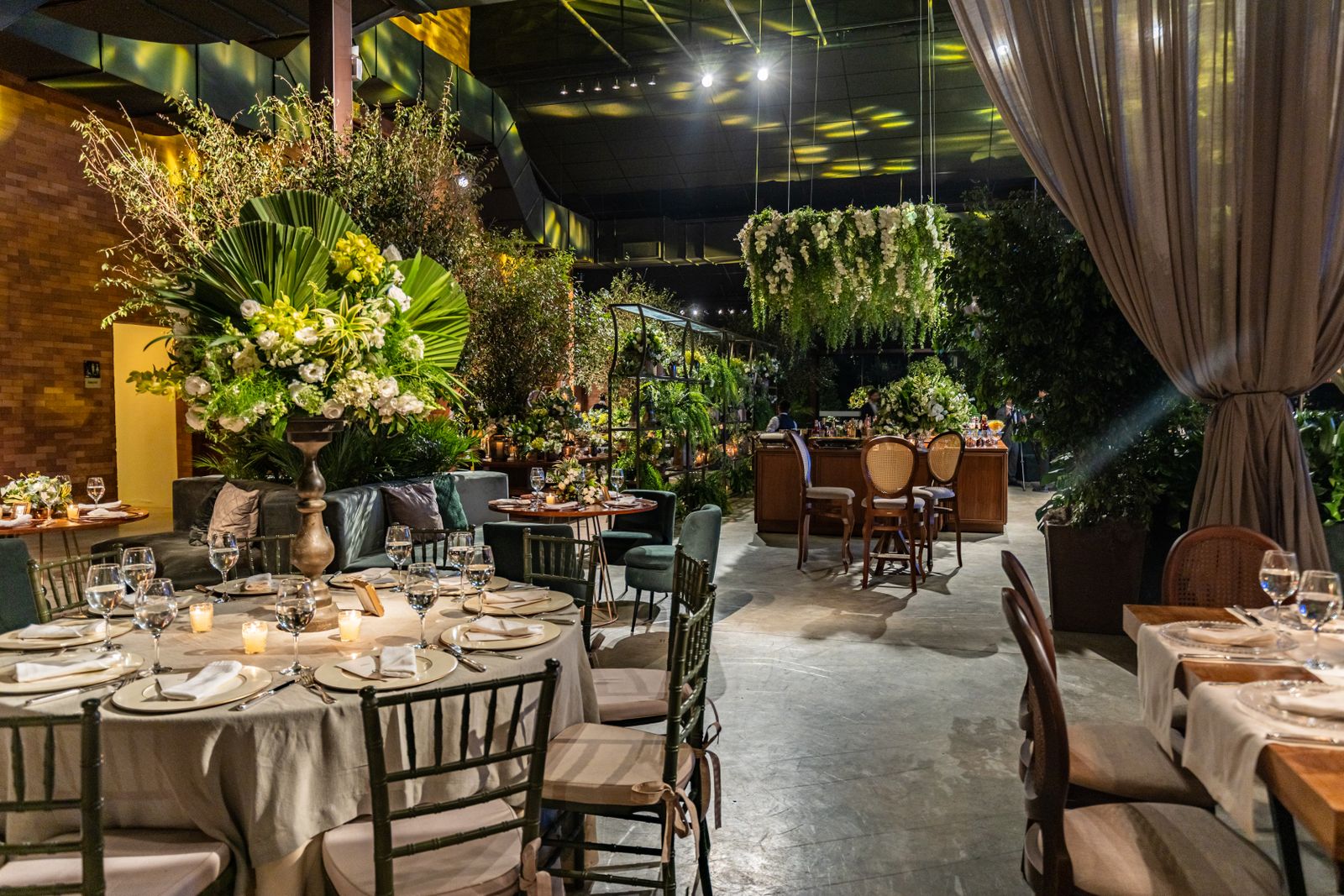
A venue visit is most useful when it tests how your event will actually work. An attractive room can still have an awkward arrival route, a noisy partition or too little time for setup. Bring a short event brief, a rough running order and a way to record answers. The aim is to leave with fewer assumptions, rather than simply a favourable impression.
Walk the arrival route before the meeting room
Start where your guests will start: the station exit, car park or street entrance. Follow the route without accepting shortcuts through staff areas. Look for the correct doorway, visible signs, a dry waiting place and somewhere to pause with luggage. Record which entrance will be open at your event time, especially if the building contains several businesses.
Repeat that journey with different needs in mind. A route that works for a person carrying one bag may be difficult for someone using a wheelchair or arriving with equipment. Ask the venue to explain step-free access, lift availability and the route to accessible toilets. Obtain specific information that can be shared with guests rather than relying on a broad accessibility label.
Measure the room against your programme
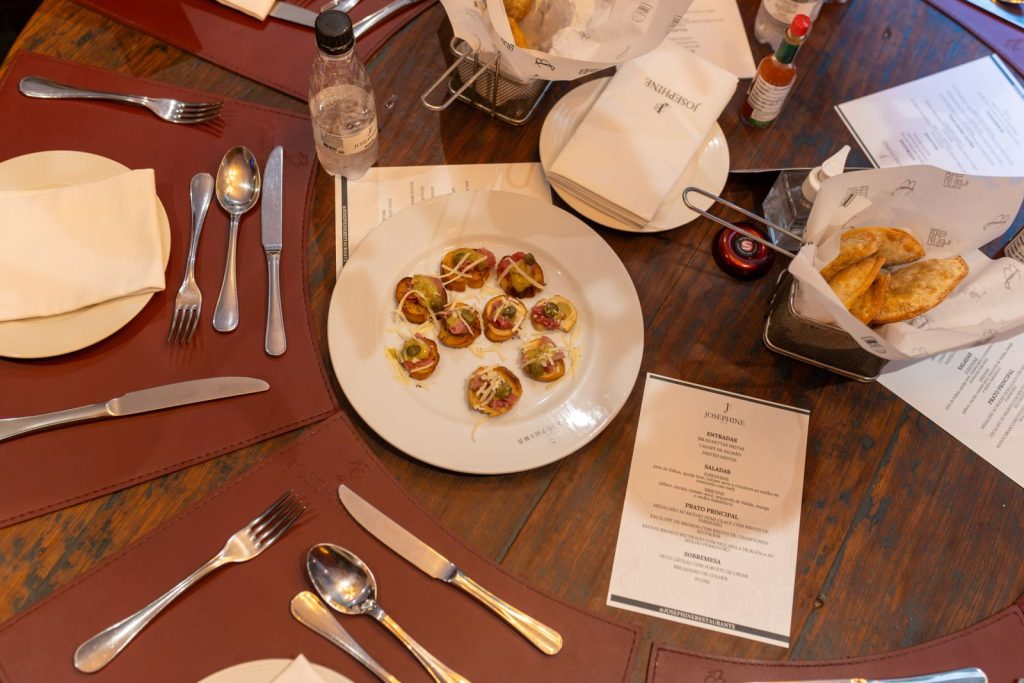
Ask to see the room in a layout close to the one you intend to use. Empty floor space is misleading: tables, chairs, presentation equipment and circulation routes all occupy it. Stand at the back and check the sightline to the screen. Sit at a side table and consider whether a speaker can be heard without turning the whole body.
Find out what happens beyond the room boundary. A neighbouring celebration, public café or delivery entrance can change the experience of a quiet workshop. Ask which spaces are shared and whether another event is planned beside yours. If the room can be divided, request an explanation of the partition and discuss your actual requirements for confidential conversation.
Test the supporting spaces
Locate refreshments, toilets, cloakroom space and any breakout area. Consider the movement between them during a short break: a single narrow doorway may create a queue even when the room itself is generous. Ask where staff will replenish drinks and clear used cups, and whether that movement crosses a presentation area or guest entrance.
Look at practical facilities while someone can answer questions. Identify accessible power sockets, the presentation connection, lighting controls and the position of the technician or duty manager. Discuss the equipment you will bring and who will connect it. A photograph of a cable label, taken with permission, can be more useful later than a vague note saying “AV included”.
Put time and responsibilities on paper
Separate access time, guest time and clear-out time. An event starting at ten does not mean suppliers can arrive at ten. Ask when furniture will be ready, how long a sound check can take and where deliveries wait. Write down the latest time by which your team must leave, including removal of signs and hired equipment.
Give each unresolved point an owner. For example, the organiser may supply the guest list while the venue sets the welcome desk; the technician may provide the projector while the speaker brings an adapter. Confirm who makes the final room check. A shared responsibility list prevents both parties from assuming that an important task belongs to the other.
Finish with evidence and a comparison sheet
After the visit, reduce your notes to the same headings used for every shortlisted venue: access, room suitability, service, equipment, timings and total scope. Mark answers as confirmed, provisional or unanswered. A venue with one clear limitation may be easier to plan around than one with several friendly but unconfirmed promises.
Send a concise follow-up containing the agreed layout, timetable and outstanding questions. Ask for the relevant drawings and written terms before committing. Keep the final agreement together with your visit notes so that changes are visible. The best result of a visit is a workable event plan, supported by named contacts and clear decisions, not just a collection of room photographs.