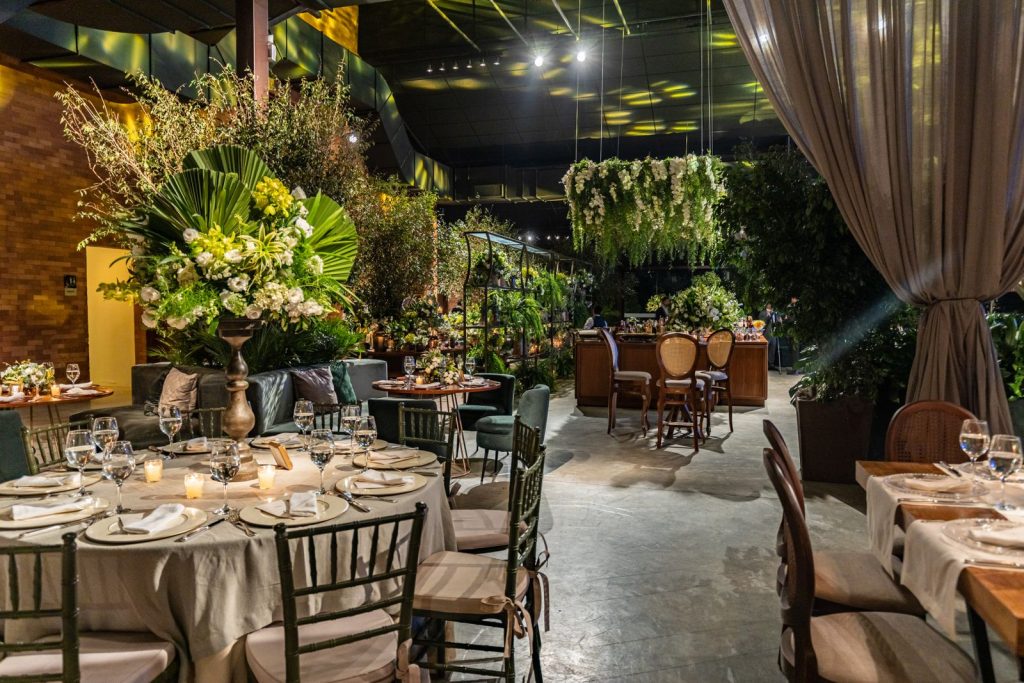
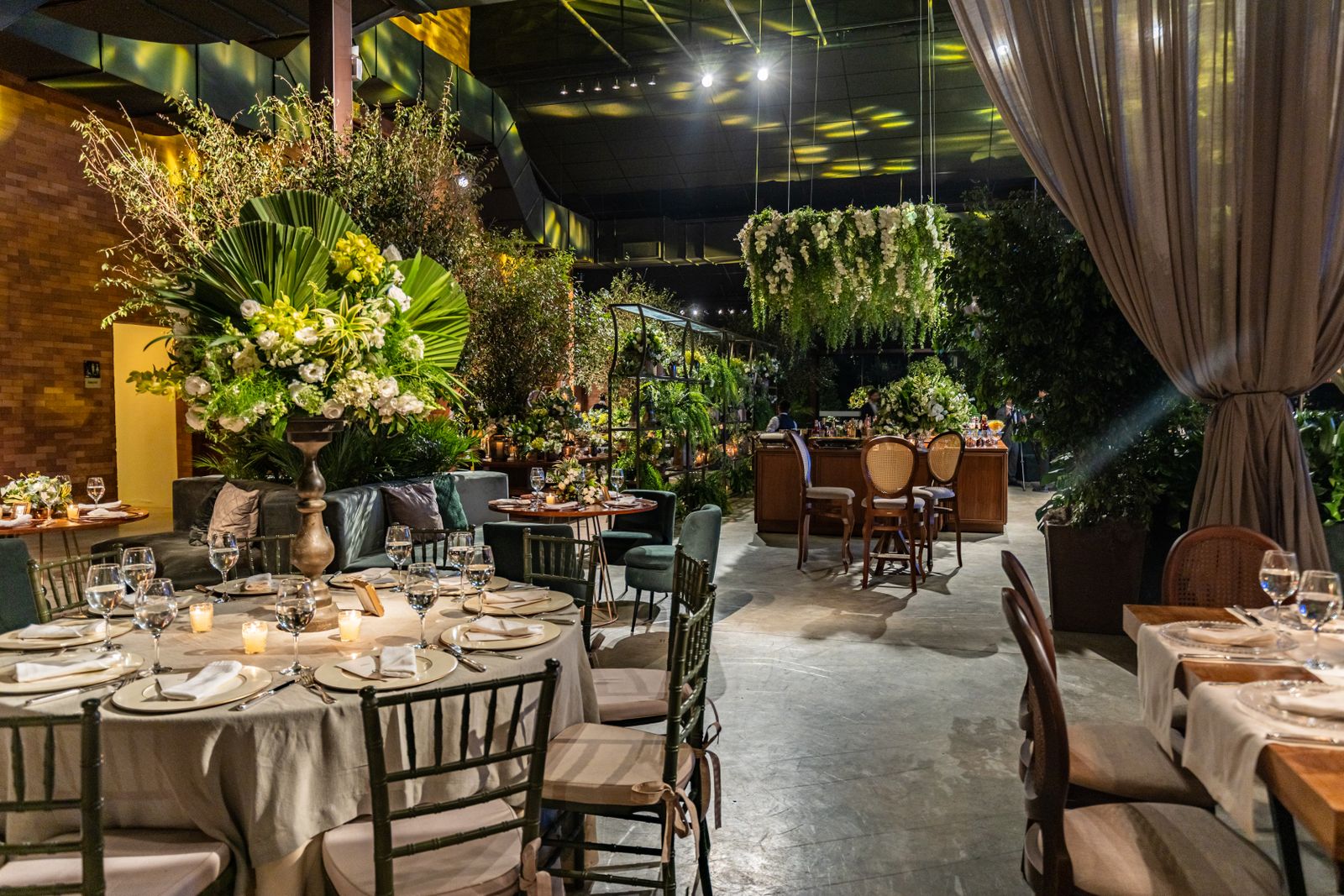
A running order describes how an event moves from one activity to the next. Its value is not in making every minute look occupied. It gives the organiser, venue and suppliers enough information to prepare, act and recover when a session changes. A realistic running order includes the work guests do not see: room checks, food preparation, microphone handovers and the final clear-out.
Start with the moments that cannot easily move
Place the fixed points first. These may include building access, an agreed meal service, a guest transport departure or the time a supplier must leave. Explain why each point is fixed so that a later adjustment does not accidentally remove a genuine constraint. A speaker preference and a last train are different kinds of deadline and should not carry the same weight.
Add the main programme around those points and leave visible space between activities. Do not use the time printed on an invitation as the first moment the venue becomes available. The organiser needs an earlier period to inspect the room, meet staff and resolve a missing cable or a late delivery before guests are standing at the door.
Separate programme time from production time
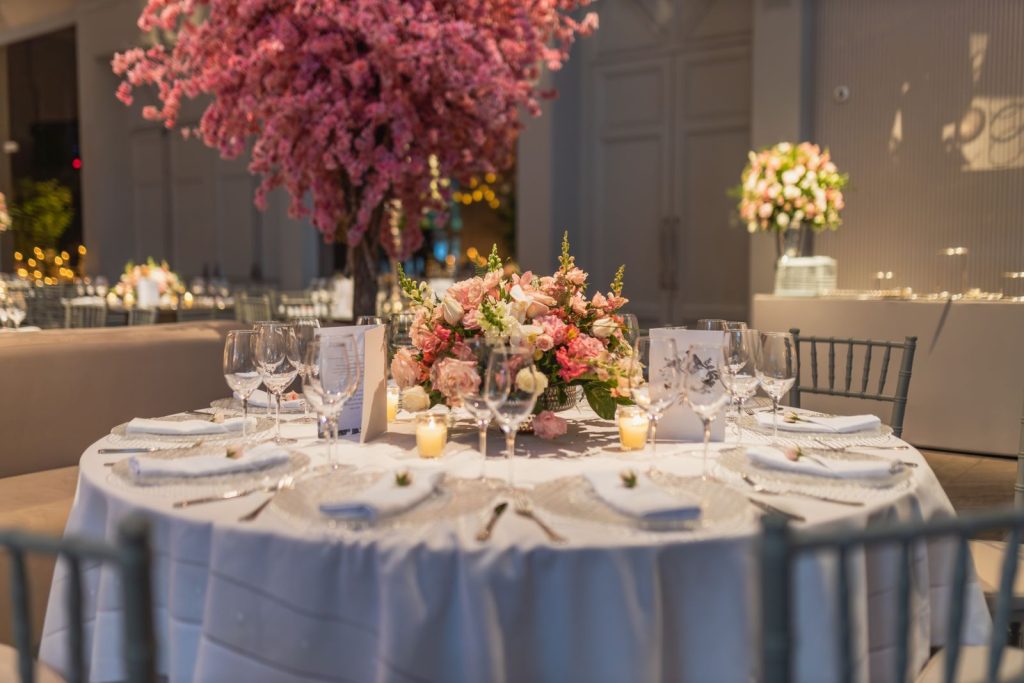
Guests may see a thirty-minute talk, but the team also needs to introduce the speaker, change a presentation file, position a microphone and invite questions. Show those tasks in a production column rather than assuming they happen instantly. Give the person responsible a clear cue, such as “after the introduction”, instead of relying on an exact clock time alone.
Room changes need the same treatment. Moving from discussion tables to a reception may involve clearing papers, moving furniture, cleaning surfaces and opening a bar. Ask the venue to estimate the actual work with its staffing level. If guests remain in the room, the change may be slower and less comfortable than a reset completed while they use another space.
Give breaks a job beyond filling a gap
A break allows guests to use toilets, collect refreshments and have conversations, but it also gives the team a chance to prepare the next session. Check the distances involved and the number of service points. A short break in a compact room is different from one that sends everyone upstairs to a café and back through a single entrance.
Write down the restart cue. A host can give a clear reminder before the next session, while signs or a programme display help people return without repeated announcements. Consider whether refreshments will still be available after the break. Guests should not have to choose between joining the next activity and finishing the queue that the schedule created.
Build a controlled response to delays
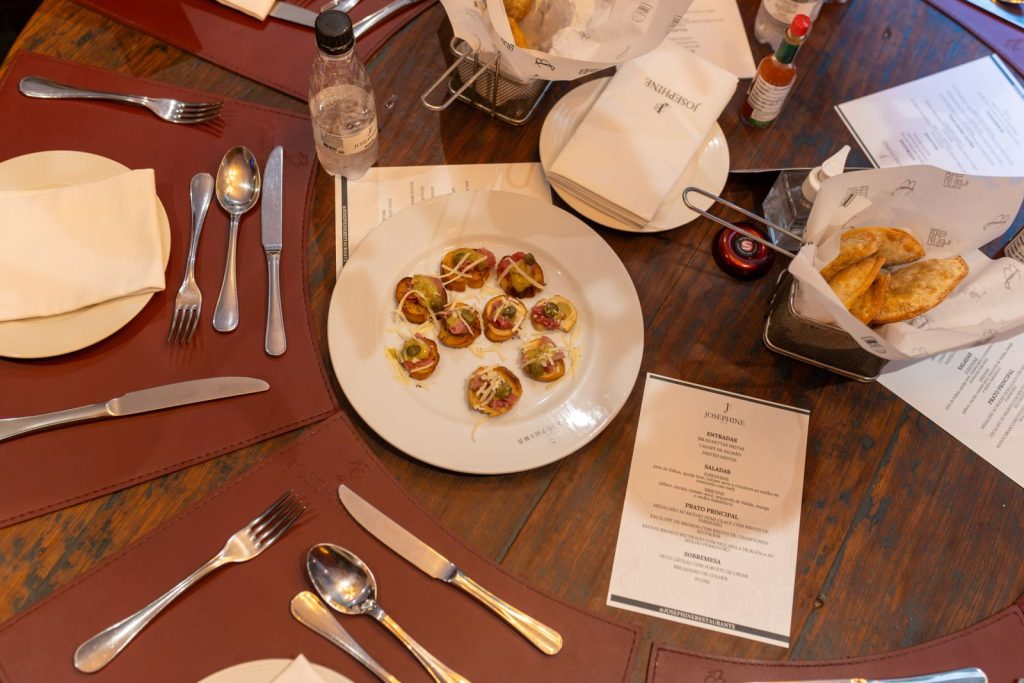
Decide in advance which parts can shorten, move or disappear. A flexible discussion may lose a few minutes; a contracted meal service or transport departure may not. Record who has authority to change the programme and how that decision reaches the venue, speaker and technician. Several people making separate adjustments can produce more confusion than the original delay.
Use a simple status system during the event: on time, running late, decision needed. Keep the main operational contact free to coordinate rather than tying that person to a fixed presentation role throughout the day. If a session overruns, make one explicit change and communicate it. Quietly hoping that the next item will recover all the lost time rarely produces a calm event.
Issue a short final version everyone can use
The working sheet should include time, activity, location, responsible person, technical cue and service note. Keep guest-facing details separate from private supplier contacts or sensitive instructions. Use a clear date and version number. A last-minute update should highlight the affected rows so that staff can find the change quickly on a phone or printed page.
At the final briefing, walk through arrivals, the first transition and the end of the event. These points often reveal assumptions that a row of timings does not. Afterward, record where the schedule was unrealistic and why. The most useful running order is not the one that looks precise before the event; it is the one that helps people make sensible decisions while the event is happening.