The people delivering an event need meals, yet their working rhythm often differs from the guest programme. A technician may be busiest during the interval, a performer may arrive after the main service and reception may need continuous cover. Treating these meals as leftovers from the guest plan creates avoidable uncertainty. Build a separate, proportionate arrangement around actual working roles. The aim is not an elaborate second catering event, but a clear answer to who eats, when, where and how their responsibilities remain covered.
Count working people by shift and role
Create a list of staff, contractors and performers who are included in the agreed catering arrangement. Distinguish the people on site for the full day from those making a short delivery. Confirm the scope with each supplier rather than assuming every person arriving in a branded vehicle has the same entitlement. This makes the order more accurate and prevents a difficult conversation between a server and a contractor who was never told what had been arranged.
Ask about working times and practical meal requirements through the appropriate contact. A performer may need food before a preparation period rather than immediately after going on stage. A security or technical role may have a defined relief arrangement. Record the confirmed service needs without collecting unnecessary personal details. The useful information is the agreed meal and timing, not a broad informal profile of the person who will receive it.
Separate the meal window from the guest interval
Map when each role can actually leave its post. The event's advertised lunch break is often the moment when room changes, sound checks and guest enquiries increase. Ask team leads to identify realistic eating windows and the cover needed. A plan that assumes everybody can disappear simultaneously is not made workable by promising that the meal will be quick. The operational responsibilities still need an appropriate person present.
Discuss flexibility with the caterer. A staggered group may need a different service from the public buffet, especially when arrivals are spread over several hours. Let the food team determine appropriate preparation and holding arrangements. Do not solve a scheduling problem by asking someone to eat food that has been left indefinitely in an uncontrolled location. The meal window must work within the catering process, not outside it.
Assign relief before announcing the break
Name the person or role covering essential responsibilities and define the handover. The departing staff member should know what is passed on and when they are expected back. Where specialist competence is required, relief must be suitable for the task; a nearby volunteer is not automatically an appropriate replacement. If cover cannot be provided, raise the issue with the responsible team lead before the event rather than leaving the individual to choose between eating and maintaining service.
Avoid using the meal break as an unofficial briefing in which the person remains effectively on duty. A rest or meal arrangement should be described honestly. If an emergency changes the timing, tell both the individual and the catering contact so the food is not repeatedly prepared or discarded on assumptions. Clear coordination respects the working person while giving the event manager a realistic view of the capacity still available on site.
Choose a usable eating location
Provide a suitable place to sit and eat that is not also a delivery route, equipment store or guest problem desk. Ask the venue about the facilities available and keep the arrangements appropriate to the setting. A plate balanced on a packing case may appear resourceful in a photograph, but it is not a dependable meal process. Consider where people can wash their hands and how waste and used service items will be returned.
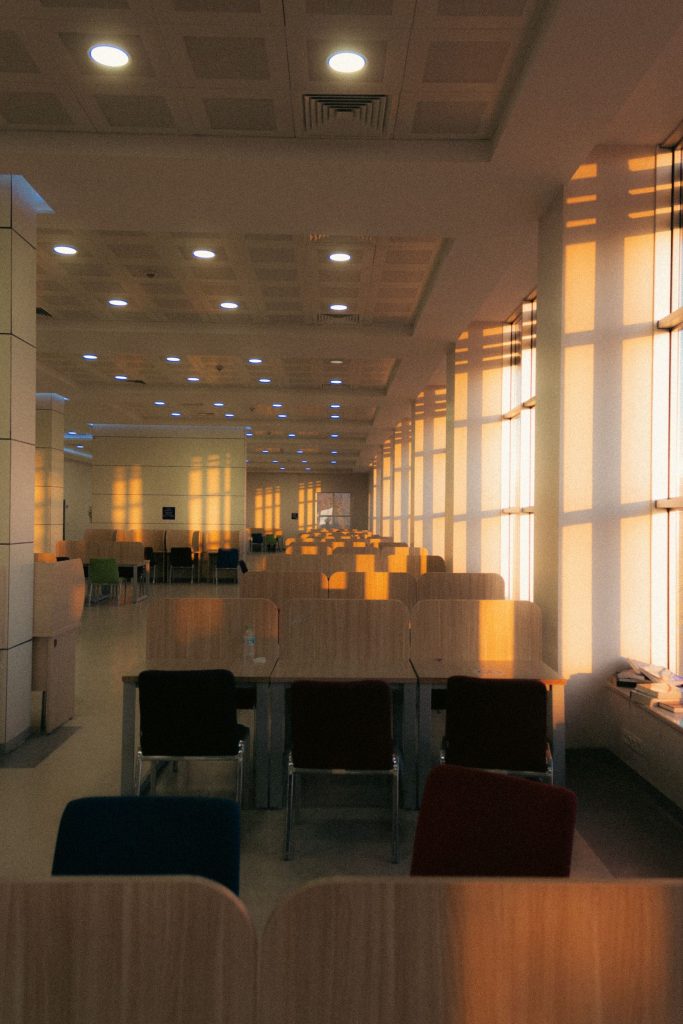
Keep the location clearly identified in the crew information. A new contractor should not have to search through private venue areas to find it. If the same room serves several functions, explain the time windows and ensure one use does not displace another without notice. The team responsible for meals should know whether the space is actually available when the first working group has been told to take its break.
Control collection and late changes
Use a simple confirmed list or another agreed method to connect meals to the people included. Avoid a public list showing private dietary information. The caterer should receive the details needed to provide the correct arrangement, and the collection team should know how to refer an unclear request. A meal prepared for a specific requirement should not be handed to someone else because its owner is still working and the label was not understood.
Set a route for additional crew and changed arrival times. One authorised coordinator should confirm the change with catering, including any cost or availability implication. Do not ask servers to decide whether an unexpected person can be accommodated while they are also delivering the guest meal. A clear escalation point makes it easier to help respectfully without turning a practical request into a public disagreement about contracts or entitlement.
Finish with a reliable close-out
Tell the catering team when the last included person has eaten or when an arrangement has been cancelled. This prevents supplies being kept on hold for someone who has left and makes the clearing process more predictable. Check that staff returning from a late meal know about any relevant programme change. The handover back to duty is part of the arrangement, particularly where the event has moved into a different phase while they were away.
Review missed meals and recurring timing conflicts with team leads. These are useful operating signals, not simply evidence that individuals should have organised themselves better. Adjust cover, meal windows or supplier instructions for the next event. Staff catering works well when the people delivering hospitality are included in its planning, with the same clear communication that the organiser expects to provide to guests.