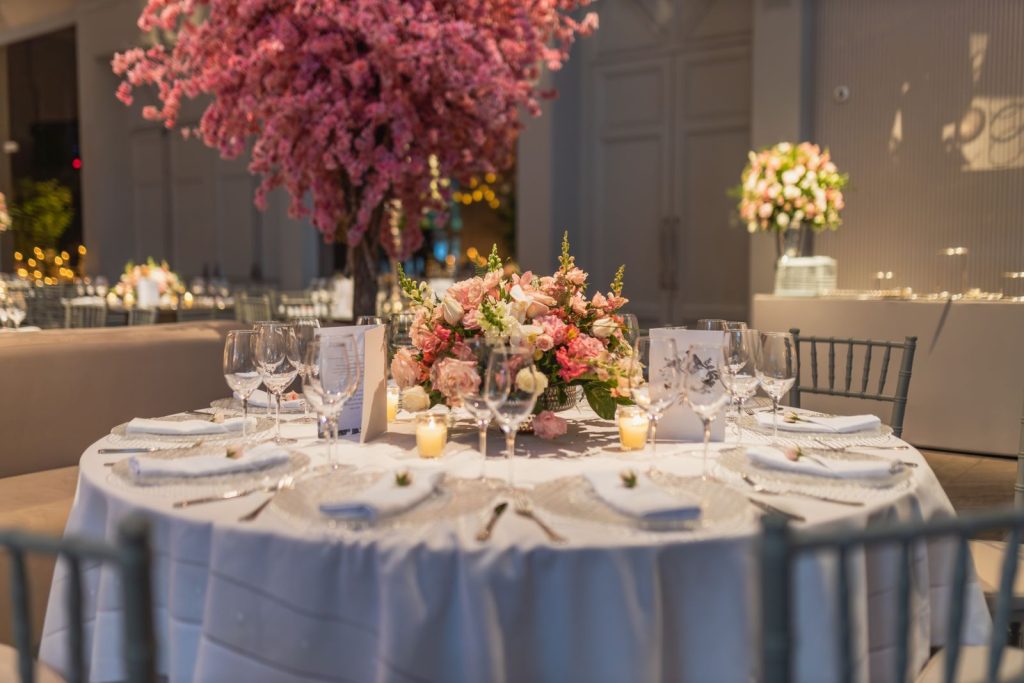
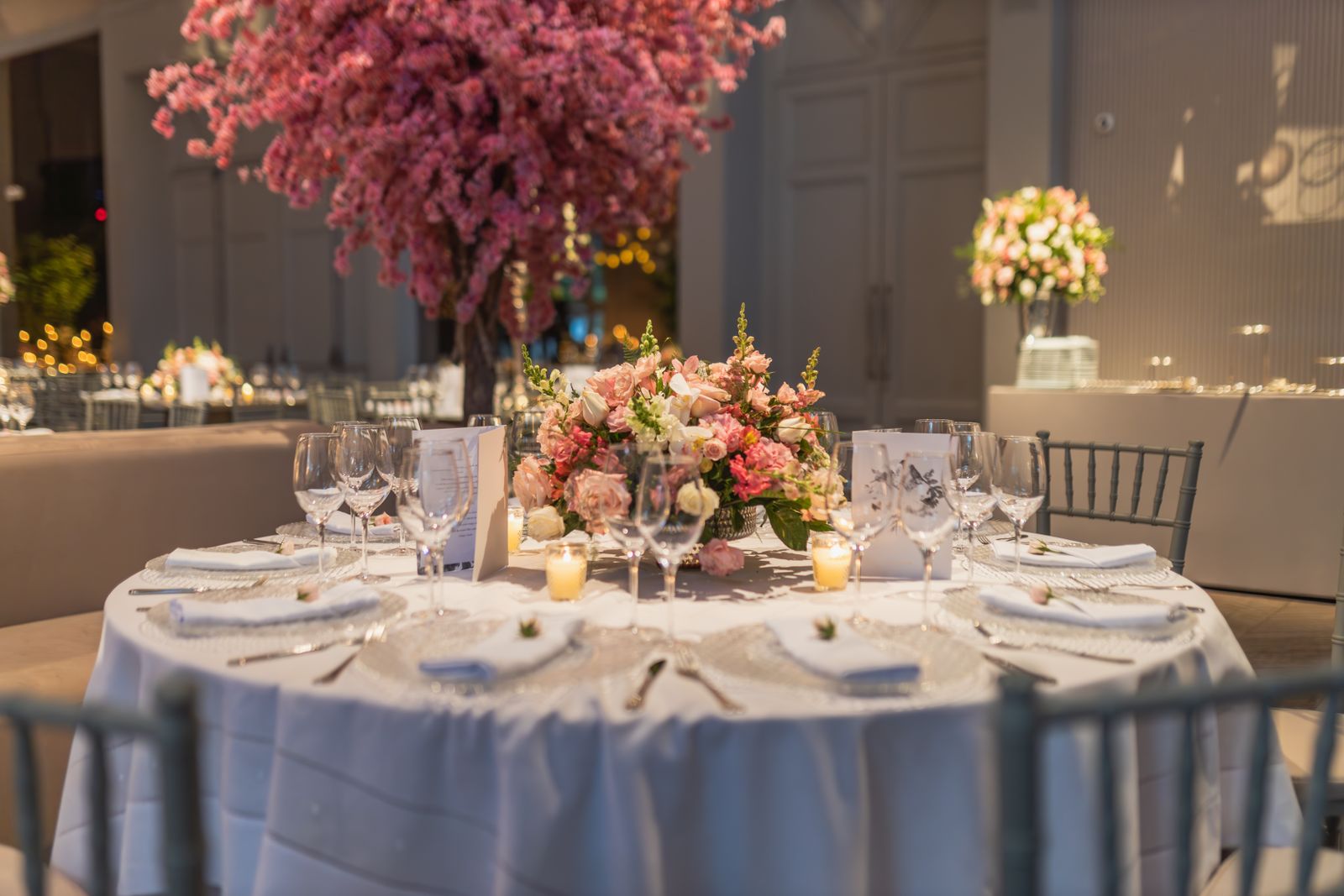
A drinking-water refill point looks simple because its core purpose is simple: help guests obtain water when they need it. The surrounding operation can still fail. Empty containers, uncertain labels, wet floors and bottles touching dispensing nozzles can turn a small service into a recurring problem for staff. Design the point with the venue and food-service team, using suitable equipment and an approved supply. Then make replenishment, cleaning and guest instructions part of the plan rather than waiting for someone to notice that the table is no longer usable.
Agree the supply and equipment before choosing the location
Ask the venue which drinking-water supply and dispensing equipment are appropriate for the event. Do not assume that any convenient tap, hose or container is suitable. The responsible team should establish its own handling and maintenance arrangements. If a dispenser is hired, confirm what preparation is included, what the venue must provide and who is responsible for bringing it into use. A clear ownership decision prevents each supplier from assuming someone else has checked the basics.
Choose equipment that matches how guests will fill a glass or bottle. The position of the outlet, room beneath it and ease of operation matter. Test with the kinds of containers participants are expected to bring. A station designed around small glasses may be awkward for a tall refillable bottle. Explain the intended use to the supplier, because a product photograph does not show how comfortably people can operate it during a crowded break.
Place the station where stopping is practical
Map the space occupied by someone filling a bottle and another person waiting. Keep that activity away from doorways, stairs and routes that need to remain clear. A small station beside a popular coffee point may combine two queues in a way that neither team anticipated. Ask the venue to approve the final position after furniture is installed, not only on an empty-room drawing that leaves out bins, signs and guests.
Consider people who cannot easily reach a high table or hold a container while operating the dispenser. Discuss a usable arrangement and a respectful assistance option. A clear description in the event information can help guests plan, but it should reflect actual provision. Water access should not require a person to explain a private need repeatedly or to rely on another guest noticing that the equipment is difficult for them to use.
Label the offer accurately
Use plain language showing which outlet provides drinking water and whether different options are available. Keep still, sparkling and flavoured products clearly distinguished if more than one is offered. For additions or packaged products, the food team should control the relevant ingredient and suitability information. A decorative bowl of fruit beside a dispenser should not create uncertainty about what is actually in the water or whether a plain option remains available.
Tell guests how the point is intended to work. If personal bottles are welcome, make that clear. If cups are provided, place them so people can take one without handling the rest. Avoid relying on a QR code for the basic instruction; the guest may be approaching precisely because they need a quick practical service. Short visible text is more useful than a detailed sustainability message that obscures the operation of the station.
Protect dispensing and manage spills
Ask the food-service team to establish instructions that reduce contact between personal containers and the outlet. Choose a design and staff response that support those instructions. If the equipment becomes contaminated or damaged, take it out of service and follow the responsible team's procedure. Do not leave a questionable dispenser operating simply because the event is busy and the alternative would require explaining a short interruption to guests.
Provide appropriate spill control and a named person to respond. A drip tray helps only if it is checked and emptied as required. Monitor the surrounding floor as well as the tabletop, especially when guests carry full bottles through a tight space. Staff should use the venue's cleaning and warning arrangements rather than placing an improvised towel where it may create another obstacle. The station's upkeep is part of the event's movement plan, not an isolated catering detail.
Make replenishment a scheduled task
Name the team that checks supply, cups, waste and cleanliness, and agree when those checks happen. The interval should fit demand and the equipment, rather than a generic rule copied from another event. A high-use break may need active attendance, while a quiet period may be managed differently. Keep reserve supplies in a known suitable location so replenishment does not require opening unrelated cupboards or carrying unapproved containers through the room.
Use a simple response when the station is temporarily unavailable. Indicate the nearest current alternative and tell the welcome team, so guests do not receive contradictory directions. If a refill point is advertised in the programme, its failure should reach the event coordinator just as a missing microphone would. Small service gaps become frustrating when nobody owns them and several members of staff each assume the water table belongs to someone else's team.
Review the service with observable details
Record whether the station was easy to use, where queues formed and what repeatedly needed attention. If you want to assess reduced use of disposable packaging, use a method that fits the actual purchasing and waste records rather than claiming a precise environmental saving from the presence of one dispenser. Keep the discussion focused on practical improvements the venue and organiser can verify and implement at the next event.
A well-run refill point should remain understandable and available from the first arrival to the last scheduled activity. Update the equipment choice, position or staffing when the pattern of use suggests a problem. The most sustainable-looking station is not necessarily the most useful one. Good hospitality comes from a dependable supply, appropriate handling and a guest experience that makes a simple drink of water genuinely simple to obtain.