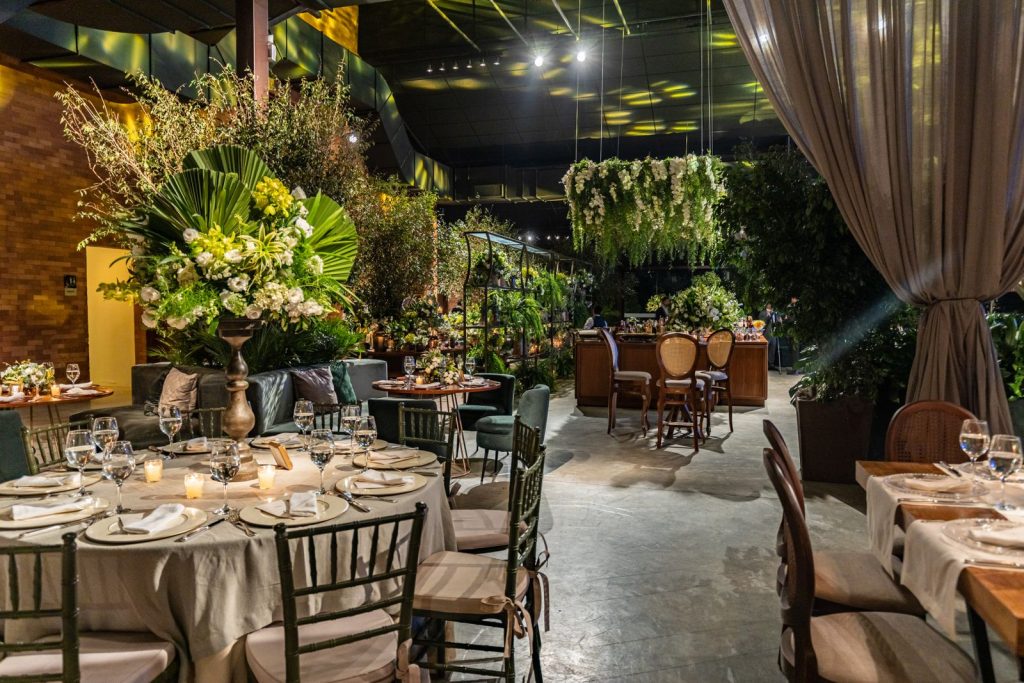
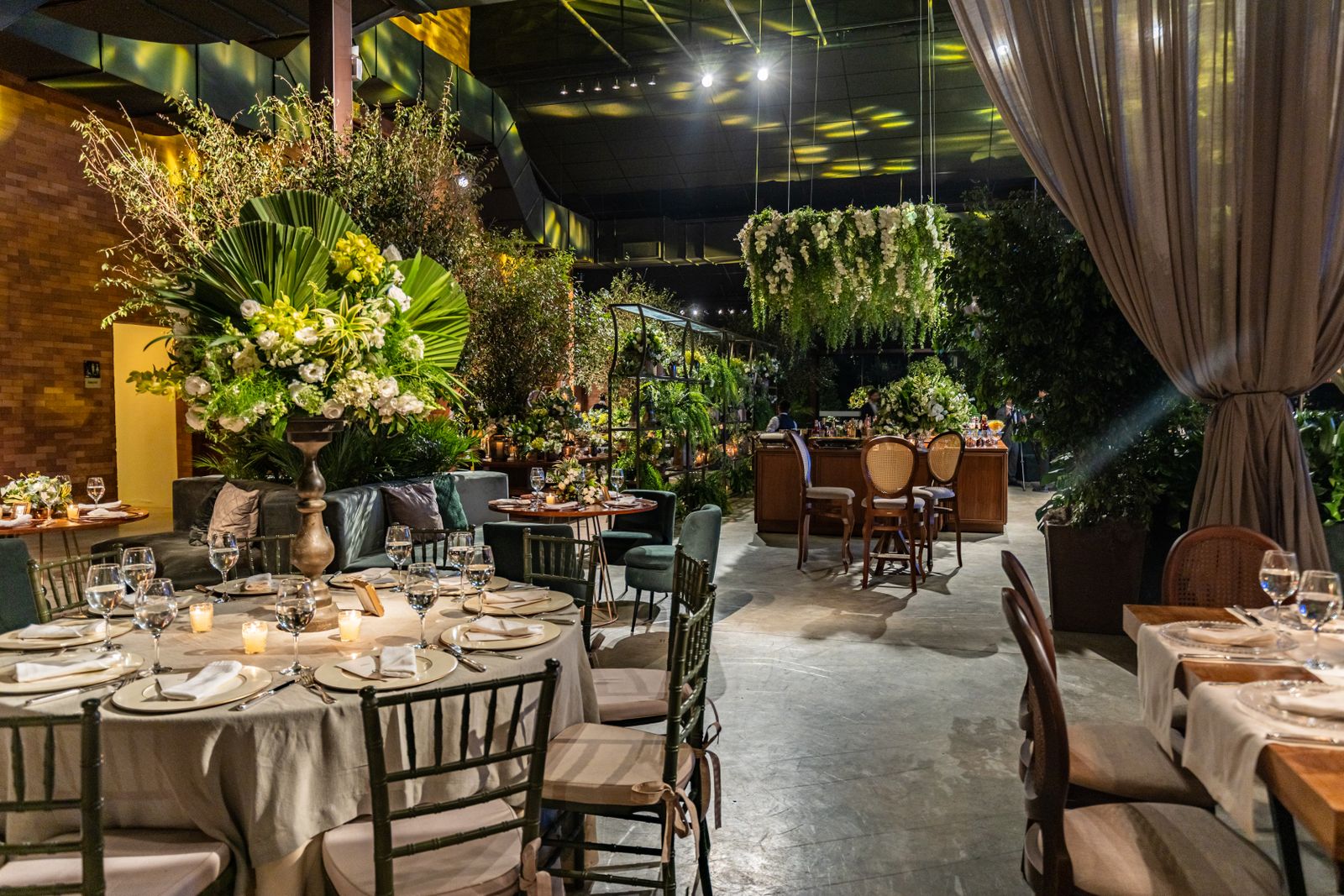
A useful event brief translates an idea into decisions a venue can act on. “A relaxed networking evening” is a starting point, but it does not explain arrivals, catering, room layout or staffing. A concise brief should describe the purpose of the gathering, what guests need to do and which details remain open. It becomes the reference point for quotations and later changes.
Describe the outcome and the audience
Begin with one sentence explaining why the event exists. A team planning day, an introduction for new clients and a celebration need different rhythms even if they use the same room. Follow the purpose with the approximate number of guests and the expected mix of attendees. Distinguish confirmed participants from a forecast so that the venue understands the uncertainty.
Explain what guests will be doing rather than relying only on an event label. Will they listen, discuss in small groups, move between demonstrations or eat while standing? Include the language of the programme and any known access requirements. Avoid sharing personal medical details; describe the practical provision needed and agree a private route for individual questions.
Write the day as a sequence
Provide a simple timetable covering supplier access, team setup, guest arrival, the main sessions, food service and departure. Early versions can use approximate times, but the order should be clear. A caterer needs to know whether lunch follows a fixed presentation or can begin during an informal discussion. That difference affects staffing and room movement.
Show the changes between activities. A workshop followed by a seated dinner may require furniture to move, equipment to be removed and the room to be cleaned. State where guests will be during that work. If you do not yet know how a transition will happen, identify it as a question for the venue rather than hiding it inside an optimistic timetable.
Separate essentials from preferences
Use three short headings: required, preferred and open to proposals. Step-free guest access, a private meeting room or a working presentation connection may be essential. A particular table colour or a welcome drink format may be negotiable. This distinction lets a venue propose an alternative without accidentally discarding a requirement that makes the event possible.
Be equally clear about the budget scope. Explain whether your working figure covers only room hire or also catering, staffing, equipment and tax. You do not need to reveal every commercial detail, but both parties should compare the same package. Ask the venue to identify exclusions and optional additions rather than returning one unexplained total.
Give suppliers concrete operating information
List the items you will bring, including display stands, instruments, sample products or outside catering equipment. Record approximate dimensions when they affect doors, lifts or floor space. Ask for the delivery entrance and booking procedure. A small object count is less useful than knowing that one display arrives assembled and cannot fit through a standard doorway.
Name a single organiser contact and a deputy for the event day. Explain who can approve extra expenditure, changes to timings and substitutions. Share documents through a versioned folder or one clearly dated attachment. When a new brief replaces an old one, state what changed; suppliers should not have to compare two long documents line by line.
Turn the brief into a working agreement
Finish with the decisions you need from the venue: availability, suitable layouts, included facilities, catering choices, access arrangements and deadlines. Give a realistic date for a response. A well-structured request makes it easier to receive comparable quotations and reduces the number of follow-up messages needed to clarify the same basic facts.
Once a venue is selected, keep the brief alive without letting it grow into an unmanageable file. Move confirmed details into a final function sheet and maintain a small list of open decisions. Before the event, ask the responsible venue contact to confirm the latest version. The brief has done its job when everyone is working from the same practical picture.